

Affiliate Marketing for Social Media
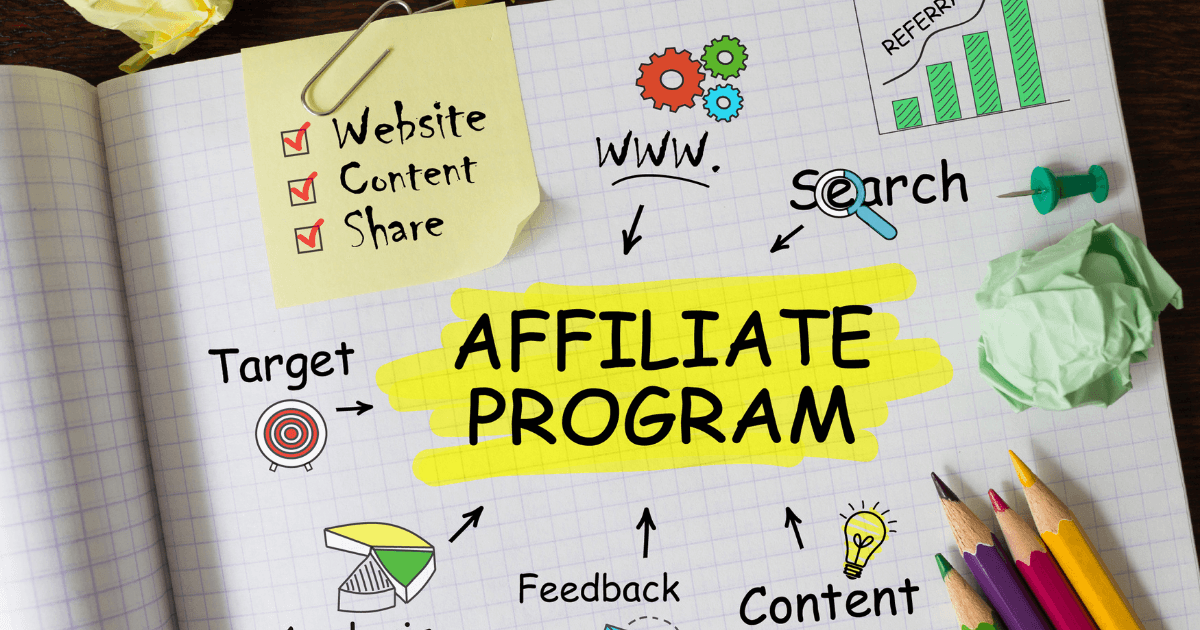
Social media changed everything for affiliate marketing.
You don't need a blog anymore. You don't need fancy tech. You just need a phone, an audience, and products people actually want.
In 2026, most affiliate commissions come from social platforms. Instagram. TikTok. YouTube. Even Pinterest.
Why? Because people buy from people they trust. And trust lives on social media.
This guide shows you how to make it work.
Understanding Social Media Affiliate Marketing
Here's the deal:
You find a product you like. You get an affiliate link. You share it with your followers. Someone buys. You earn a commission.
Simple.
The difference between this and old-school affiliate marketing? Your personality matters more than your SEO.
On social media, people follow you. Not your keyword research. They watch your videos. Read your captions. Trust your recommendations.
That's your advantage.
Commission rates vary. Usually 5-30% per sale depending on the program. Some pay per click. Most pay per sale.
The model works because companies would rather pay you after a sale than gamble on ads that might not convert.
Choosing the Right Platform
Not all platforms work the same for affiliate marketing.
TikTok wins for product discovery. Short videos. Viral potential. Younger audience who actually clicks "Add to Cart." The TikTok Shop integration makes it stupid easy to tag products directly in videos.
Instagram is the visual showcase. Reels get the reach. Stories create urgency. The link stickers in Stories let you add affiliate links without the bio dance. Great for fashion, beauty, lifestyle.
YouTube builds authority. Long-form reviews. Tutorials. "How I use this" content. Links go in descriptions. Videos rank in Google. Evergreen income potential.
Pinterest quietly prints money for certain niches. Home decor. Recipes. DIY. Wedding planning. Pins live forever. One good pin can drive sales for years.
Facebook still works if you have engaged groups. Older demographics with more buying power.
Pick based on where your people already hang out. Don't spread thin. Master one platform first.
What matters when choosing:
- Where does your target audience actually spend time?
- What content format do you enjoy creating?
- Does the platform allow affiliate links easily?
- Do your niche products match the platform's vibe?
.png&w=3840&q=75)
Finding Affiliate Programs
Start with the big networks.
Amazon Influencer Program is the easiest entry point. You need a decent following (usually 1,000+ on at least one platform). They check your engagement more than follower count. Once approved, you get a custom storefront. Add any Amazon product. Commission rates are 1-10% depending on category.
ShareASale (now part of Awin) connects you with thousands of merchants. Fashion brands. Software companies. Physical products. Free to join. You apply to individual programs within the network.
TikTok Shop is the new gold rush. Some commissions hit 30%+. Products integrate directly into your videos. Your followers buy without leaving the app.
Platform-specific programs like Instagram's Shopping Partners and YouTube's Shopping affiliate program are also worth exploring.
How to evaluate programs:
Look at commission rate. But also look at cookie duration (how long after someone clicks do you still get credit). 30 days is standard. 90 days is great.
Check average order value. 10% of $20 is less exciting than 5% of $200.
Most importantly: Only promote stuff you'd actually recommend to a friend.
Content That Converts
Selling without selling is the game.
Here are formats that actually work:
Problem-Solution-Product. Show the problem. Introduce the product. Show the result. End with a call to action. Keep it under 60 seconds on TikTok and Reels.
Example: "I used to wake up tired → Started using this sunrise alarm clock → Now I actually want to get out of bed → Link in bio"
Get Ready With Me. Natural product placement while you're doing your routine. Makeup. Coffee. Morning rituals. People watch the whole thing. You mention products casually.
Product Roundups. "5 Amazon finds under $30" type content. Works great as carousel posts on Instagram or Pinterest pins. Each slide is a different product.
Before and After. Document a journey. Skincare. Fitness. Home renovation. Show tools you used along the way. Affiliate links for all of them.
Tutorial Content. Teach something valuable. Use products as tools in the tutorial. "How I organize my closet" featuring organization products with affiliate links.
The pattern? Value first. Promotion second.
Give people a reason to watch that isn't just "buy this thing."
Making Links Work
Most platforms hate external links in the feed.
You work around it.
Instagram: Use Linktree or similar tools in your bio. Update the link when you post. Add link stickers in Stories. That's your two options.
TikTok: Link in bio. Or use TikTok Shop product tags if you're in the program. The product tags convert better because people don't have to leave the app.
YouTube: Links in video description. Pin a comment with the link too. Say "check description for links" in the video.
Pinterest: Direct links on pins. This is why Pinterest is powerful. Every pin can have its own destination URL.
Call to action matters:
Don't just say "link in bio."
Create curiosity. "If you want to see how I got this result → link in bio." Or offer value. "I put together a full list of these products → link in bio."
Give people a reason to click.
Discount codes work great too. They're trackable like affiliate links. And people love feeling like they got a deal.
Legal Requirements (Don't Skip This)
The FTC doesn't mess around with affiliate disclosures.
You have to tell people when you'll earn money from a purchase. It's not optional.
The disclosure needs to be "clear and conspicuous." That means people can't miss it. FTC guidelines say it should be in the same place as your recommendation. Not buried. Not in tiny text.
How to do it right:
On video content: Say it out loud in the first few seconds. "This video contains affiliate links, which means I earn a small commission if you purchase."
In captions: Put it at the top. Not after three paragraphs. Not in the middle of hashtags.
Use clear language:
- #ad
- #affiliate
- "I earn a commission from purchases"
- "Paid partnership"
Platforms like Instagram and TikTok have built-in branded content tags. Use them.
Getting this wrong can mean fines. Or platform bans. Or losing audience trust forever.
Just be transparent. Most people don't care that you earn a commission. They care if you hide it.
Common Mistakes
Promoting everything. If everything is your favorite product, nothing is. Be selective. Your audience notices when you're just chasing commissions.
Ignoring your audience. Promoting luxury skincare to college students on a budget. Promoting vegan products to your paleo audience. Know who you're talking to.
Not testing products. Promoting something you've never used always shows. Your content lacks specifics. Lacks authenticity. People can tell.
Weak disclosures. Hiding #ad in a sea of hashtags. Not mentioning commissions at all. This will bite you.
Forgetting to track. Use different links for different platforms when possible. Track what converts. Double down on what works.
Being too salesy. If every post is an affiliate link, people tune out. Follow the 80/20 rule. 80% value and entertainment. 20% promotion.
Start small. Test. Learn what resonates. Then scale.
Measuring Success
You need to know what's working.
Most affiliate programs have dashboards. Check:
Click-through rate: How many people click your links. Low CTR means your call to action needs work or your audience isn't interested in that product.
Conversion rate: How many clicks turn into sales. Low conversion might mean the product landing page sucks or you're sending the wrong audience.
Earnings per post: Track which posts generate the most commission. Do more of that content.
Total commission: Obviously. But don't obsess over this daily. Build systems that work. Revenue follows.
Use platform analytics too. What content gets the most saves? Shares? Comments? That's your signal for what resonates.
After you find what works on one platform, repurpose. Turn a YouTube video into Instagram Reels. Turn a blog post into Pinterest pins. Turn TikToks into YouTube Shorts.
Cross-platform strategy multiplies results without multiplying work.
When to scale:
Once you're earning consistent commissions from organic content, consider paid promotion. Boost your best-performing posts. Test different audiences. Reinvest commission into reaching more people.
But don't run ads until you know what converts organically first.
Affiliate marketing on social media isn't a get-rich-quick scheme.
It takes time to build an audience. Time to learn what content works. Time to find products your people actually want.
Most people make their first commission within 30-60 days. Some sooner. Some longer.
The ones who win long-term? They focus on serving their audience first. Making money second.
Start with one platform. One niche. One affiliate program.
Create 20 pieces of content. See what happens. Adjust based on results. Repeat.
Your personality is your moat. Nobody can copy that.
The products are everywhere. The links are free. Your unique perspective and trust with your audience? That's what makes you money.
Share this playbook
Grow your business without guessing.
Weekly breakdowns of real businesses and their exact marketing strategies driving growth.
Read by 11,000+ founders & marketers.