

Brand Awareness Strategy: The $0 System That Beats Paid Ads
Most people skip the boring part.
They jump straight to tactics. Instagram. TikTok. Paid ads. Influencers. Whatever's hot.
Then six months later, they're frustrated. Nothing's working. The brand feels invisible.
Here's the truth: brand awareness isn't about doing more stuff. It's about building memory structures that make people think of you when it matters.
This guide walks you through exactly how to do that. Just the strategy that actually builds awareness.
Start With Strategy (Not Instagram)
You can't build awareness for a brand that doesn't exist yet.
Sounds obvious. But most people skip this part. They want the sexy tactics first.
Before anyone can remember your brand, you need to answer four questions:
- What do you stand for? (Your positioning—the one thing you own in people's minds)
- Who are you for? (Specific humans with specific problems, not "everyone")
- How do you sound? (Personality and tone that's recognizably yours)
- What do you look like? (Visual identity people can spot in half a second)
Harvard Business School calls this your brand identity—the foundation everything else sits on. Get this right and awareness gets easier. Skip it and you're building on sand.
Make Your Assets Recognizable Fast
Your brand needs "distinctive brand assets"—the stuff people recognize without reading a word.
Think about it:
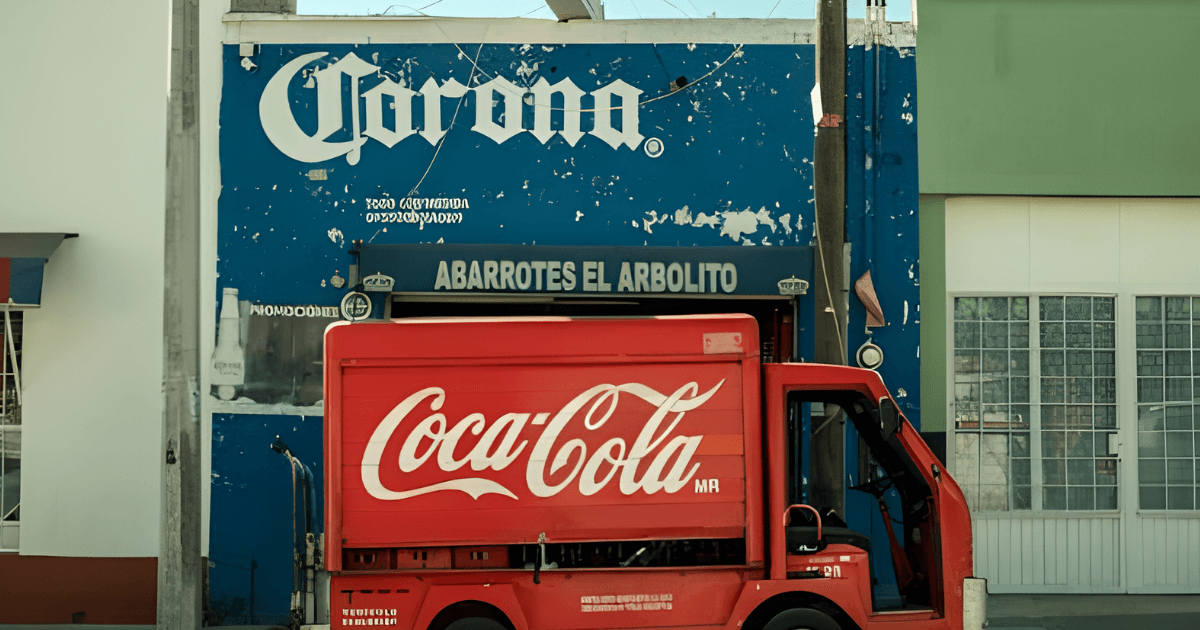
- Red and white can = Coca-Cola
- A swoosh = Nike
- Golden arches = McDonald's
You don't need decades to build this. You just need consistency. Pick your colors, your font, your logo, your tone. Then don't mess with them for at least two years.
Consistency is more valuable than perfection.
Research: Know Who You're Building Awareness With
Awareness doesn't happen in a vacuum. You're building it with specific people, in a specific category, against specific competitors.
Three things to research before you spend a dollar:
1. Your audience's buying triggers
When do people think about your category? What situations make them search or ask for recommendations?
Byron Sharp calls these Category Entry Points (CEPs)—the moments that open the door to purchase. If you sell meal kits, your CEPs might be "Monday night, too tired to cook" or "trying to eat healthier this month."
Your job is to link your brand to those moments. Cup-a-Soup in the Netherlands owns "4pm at work." That's a CEP.
2. What competitors already own
You can't own everything. Some mental territory is taken.
Look at your top 3–5 competitors. What do they talk about? What visuals do they use? What words show up everywhere?
You want to be distinct, not just different. Find the gap—the thing they're all ignoring that your audience actually cares about.
3. How aware people are right now
Measure your baseline. Run a simple survey or check Google Trends and branded search volume. How many people in your target audience have heard of you? Can they recall your name without prompting?
This isn't about ego. It's about knowing if your strategy is working three months from now.
.png&w=3840&q=75)
Set Real Goals (And Actually Measure Them)
"Get more awareness" isn't a goal. It's a wish.
Here's what actually works:
Pick 2–3 measurable objectives:
- Increase unaided brand recall from 8% to 15% in six months
- Grow branded search volume by 40% this quarter
- Hit 50 earned media mentions by end of Q2
Ahrefs has a solid guide on tracking these without expensive tools.
Know the difference between recognition and recall:
- Recognition = "Yeah, I've seen that brand before" (easier to get)
- Recall = "When I need X, I think of Y" (harder, more valuable)
Most brands measure recognition and wonder why sales don't move. Recall is what drives behavior.
Track the Right Stuff
You don't need 47 metrics. Track these:
- Direct traffic to your website (people typing your URL = they remember you)
- Branded search volume (searching your name = you're top of mind)
- Survey data (quarterly brand tracking via SurveyMonkey or similar)
- Social mentions (conversation volume, not just follower count)
Set up a simple dashboard. Check it monthly. Adjust tactics, but don't panic at weekly dips.
Build Messaging That Sticks
Repetition builds memory. But you can't repeat 47 different messages.
Pick 2–4 core messaging pillars. These are the ideas you'll hammer home for the next year minimum.
Example: If you're a project management tool for remote teams, your pillars might be:
- Async-first collaboration
- Actually simple to use
- Integrates with your existing stack
Then every piece of content, every ad, every email reinforces one of those three ideas. Same core message, different executions.
Link Your Message to Buying Situations
Remember those Category Entry Points? Your messaging should explicitly connect your brand to those moments.
Don't just say what you do. Say when you matter.
- "When your team's across 4 time zones" (that's a CEP)
- "For the 4pm energy crash" (CEP)
- "When you need a gift but have zero ideas" (CEP)
The more you repeat these connections, the stronger the memory link becomes.
Choose Channels That Actually Reach People
You don't need to be everywhere. You need to be where your audience is already paying attention.
Three categories:
Owned channels (you control them)
- Your website and blog
- Email list
- Social accounts you actually post on
Earned channels (others talk about you)
- PR mentions
- Word of mouth
- Guest posts and podcasts
Paid channels (you pay for attention)
- Social ads
- Search ads
- Display/video advertising
Start with one owned channel you can do consistently. Add one earned strategy. Then layer in paid if you have budget and need velocity.
Don't spread yourself thin. One channel done well beats five channels done poorly.
Tactics Menu (Use Selectively)
Here's what actually works for building awareness. You don't need all of them. Pick 2–3 and go deep.
Content That Earns Shares
Create content people want to send to someone else. That's the multiplier effect.
Could be:
- Educational how-to guides (check out effective content strategies here)
- Strong opinions on industry topics
- Original research or data
- Stories that are actually interesting
Bad content teaches nothing and entertains nobody. Good content does one or both.
Social Proof and PR
Borrow credibility from sources people already trust.
- Get mentioned in publications your audience reads
- Partner with brands that share your audience
- Collect customer stories and share them
- Speak at industry events or on podcasts
One good feature in the right publication can do more for awareness than 100 Instagram posts.
Partnerships That Make Sense
Find brands with the same audience but different offerings. Cross-promote.
A meal kit company partnering with a kitchen gadget brand. A productivity app partnering with a Notion creator. A coffee brand partnering with a morning routine podcast.
The key: true audience overlap and mutual value exchange.
Paid Campaigns (When You Need Speed)
Organic is great. It's also slow.
If you have budget and need awareness fast, paid ads work. But optimize for the right thing.
For awareness campaigns, you want:
- Reach (unique people who see your ad)
- Frequency (how many times they see it)
Research shows 5–8 exposures is the sweet spot for brand recall. One impression does almost nothing. Aim for repetition in a concentrated window.
Make Consistency Your System
Here's where most brands fail: they're consistent for three weeks, then everything changes.
New designer. New messaging. New strategy. The audience never gets a chance to remember anything.
Build systems that make consistency automatic:
Create lightweight brand guidelines
- Visual dos and don'ts (one-page PDF is fine)
- Tone examples ("sound like this, not like that")
- Approved assets everyone can access
Set up a content calendar
- Plan 4–6 weeks ahead minimum
- Batch create when possible
- Review everything against your messaging pillars
Check every touchpoint
- Does your email signature match your website?
- Does your social bio reinforce your positioning?
- Do your team members describe the brand consistently?
Brands like Apple and Nike didn't become household names by accident. They're maniacally consistent across every single touchpoint for decades.
Measure, Learn, Don't Panic
Check your awareness metrics monthly. Look for trends, not daily fluctuations.
What to watch:
- Are more people finding you through branded search?
- Is direct traffic growing?
- Are you getting unsolicited mentions or questions?
- When you survey your audience, is recall improving?
If numbers are moving up: keep going. If they're flat for three months: adjust your channel mix or increase frequency. If they're dropping: check if your message or assets changed recently.
Three mistakes that kill awareness:
- Changing your visual identity every six months
- Talking about different things every week
- Optimizing only for clicks instead of reach
Awareness is a long game. Give it at least 6–12 months before you overhaul everything.
Your 90-Day Action Plan
Don't try to do everything at once. Phase it:
Days 1–30: Foundation
- Lock down brand identity (positioning, voice, visuals)
- Research audience and CEPs
- Set baseline metrics
- Create brand guidelines document
Days 31–60: Launch Core Channels
- Pick your primary owned channel and commit
- Start one earned strategy (PR outreach or partnerships)
- Create 2–3 content pieces that reinforce messaging pillars
- Set up tracking dashboard
Days 61–90: Add Amplification
- Layer in one paid channel if you have budget
- Double down on what's working from month two
- Review metrics and adjust frequency/creative
- Plan next quarter based on what you learned
The goal isn't perfection. It's momentum.
Brand awareness isn't complicated. But it's not quick either.
You build it by:
- Having a clear identity people can remember
- Showing up consistently in the places they pay attention
- Linking your brand to the moments they need you
- Repeating that connection until it becomes automatic
Most brands quit after 90 days because they don't see explosive results.
The ones that win? They keep going. They trust the process. They understand that memory structures take time.
Six months from now, you'll either wish you started today or be glad you did.
Pick one thing from this guide. Start there. Build from it.
That's the strategy.
Share this playbook
Grow your business without guessing.
Weekly breakdowns of real businesses and their exact marketing strategies driving growth.
Read by 11,000+ founders & marketers.