

Content Marketing Examples: Real Campaigns That Actually Work
Introduction
Remember when people thought content marketing was just "having a blog"? Yeah, those days are long gone.
Today's content marketing is about creating something so useful, entertaining, or insightful that people can't help but share it. It's the difference between shouting at your audience and inviting them for coffee.
Let me walk you through some of the best examples out there—campaigns that didn't just impress us, they drove real, measurable results.
Why These Examples Actually Matter
Here's the thing about content marketing: there's no universal playbook. What works for a software company might flop for a fitness brand. What goes viral on TikTok might bomb on LinkedIn.
But studying what actually worked for real brands? That's the way
The data backs this up. Companies that lead their industries in content marketing see year-over-year growth of their unique site traffic at a rate of 7.8 times greater than their competitors. That's 19.7% versus 2.5%. Not exactly chump change.
The examples below show you why certain strategies work and how different brands approach content in fundamentally different ways. Some rely on entertainment. Others on education. A few are just brave enough to break the rules.
Interactive & Personalized Content Examples
Spotify Wrapped: Making Your Data Shareable
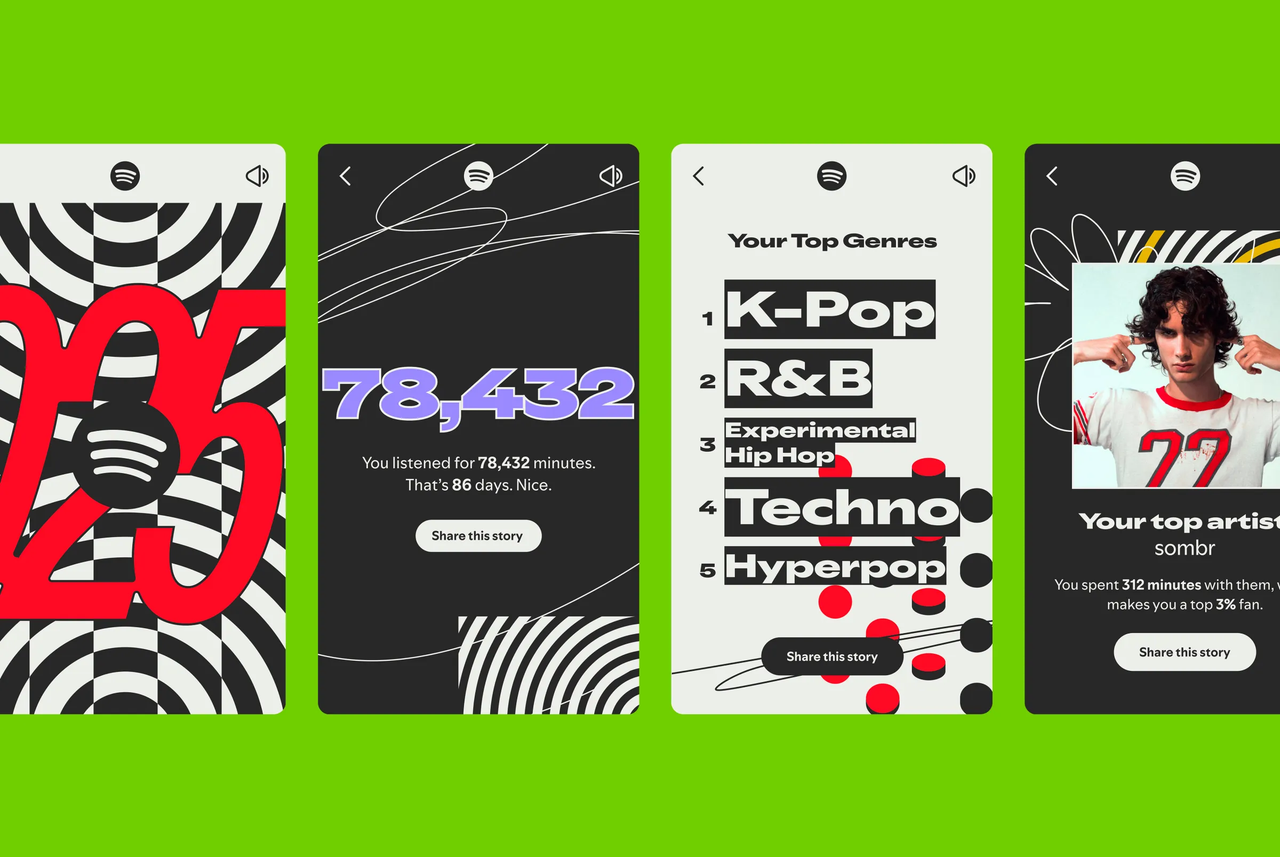 image source: The Verge
If you were on Instagram between November and December, you've seen Spotify Wrapped.
The concept is deceptively simple: Spotify takes a year's worth of user listening data and packages it into an interactive, personalized summary. Your top 100 songs. Your most-played artists. Genres you couldn't admit to your friends in person.
Launched in 2017 (originally called "Spotify's Year in Music"), the feature now reaches 678 million Spotify listeners annually. But here's the magic part: Spotify didn't ask users to share their Wrapped. Users wanted to share it.
The results speak for themselves. Every November, Spotify Wrapped trends globally on social media. It creates a 45-minute window where the app becomes the main character of Instagram Stories worldwide.
Why does it work? Because personalized data, when presented beautifully, becomes inherently shareable. You're not just looking at a graph—you're seeing yourself reflected back.
The lesson here: Your audience will do your marketing for you if you give them something worth talking about. Spotify learned that data + personalization + visual design = viral content.
Share a Coke: The Campaign That Put Names on Bottles
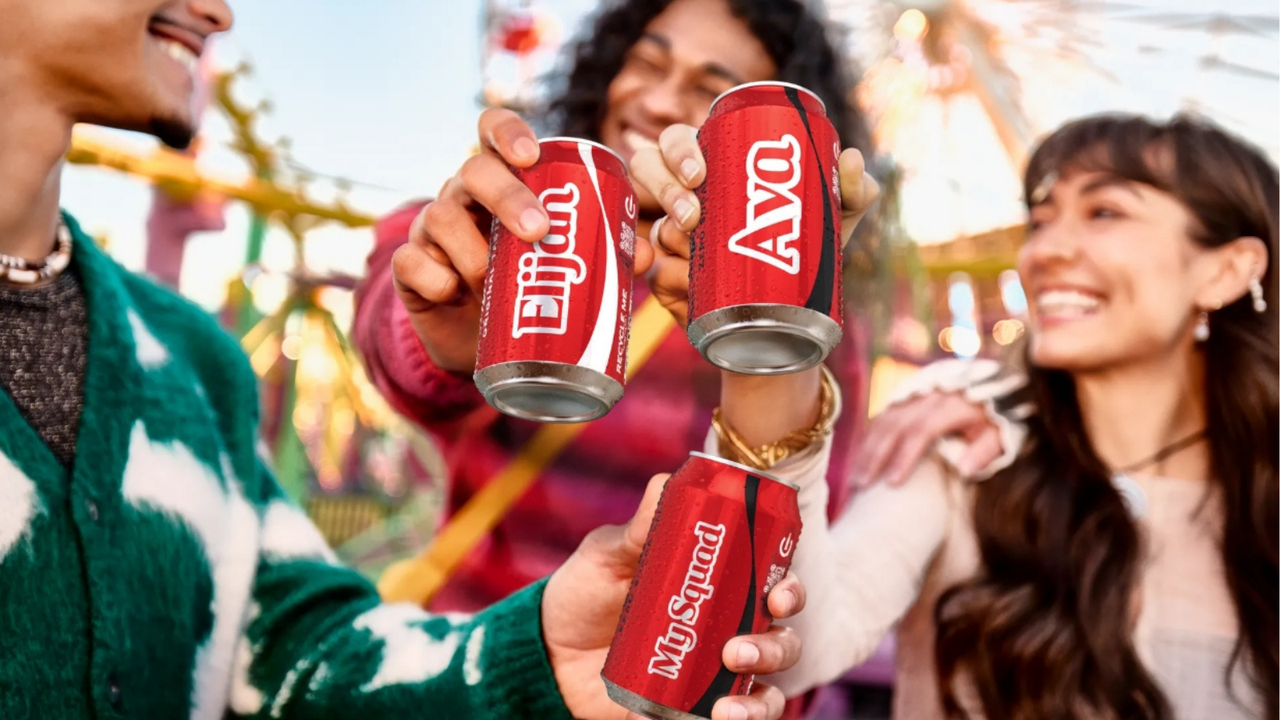
When Coca-Cola launched "Share a Coke" in Australia in 2011, it seemed almost too simple.
Print people's names on bottles. That's it.
But the results? A 3% increase in U.S. sales that summer, and an incredible 7% rise in Coca-Cola consumption among young adults. The campaign went global in 2014, and sales growth hit 19%—the largest jump Coca-Cola had seen in years.
Why? Because it made the product personal.
People weren't just buying a Coke for themselves. They were buying it for their friends, their family members, and people they wanted to have a moment with. The bottle became a vehicle for human connection, not just caffeine delivery.
Coca-Cola understood something fundamental about human behavior: we like seeing our names. We like feeling singled out. We like having an excuse to buy something for someone else.
Airbnb's Design Personality Quiz: Engagement Through Curiosity
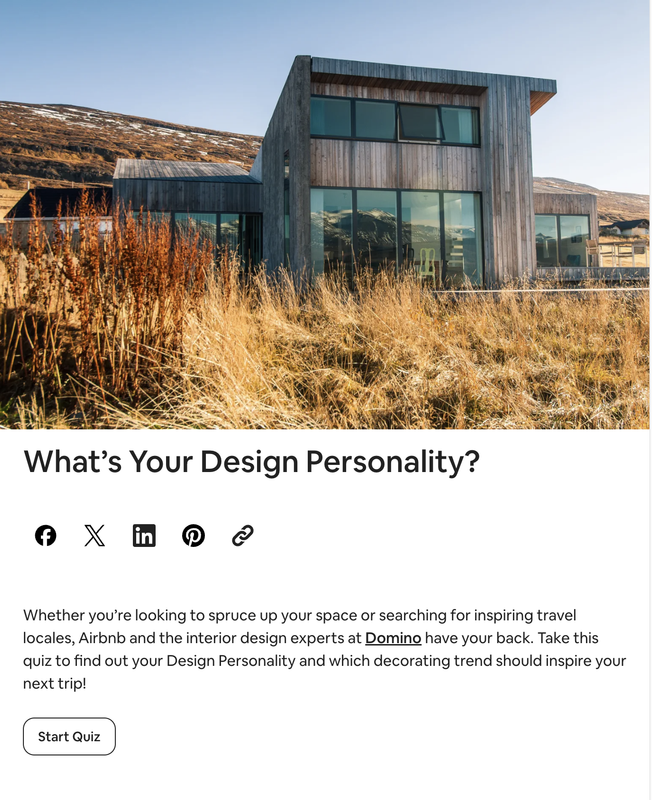
Airbnb didn't just want to let you book a place to stay. They wanted to understand your style.
Their "Design Personality" quiz does exactly that. Answer questions about your aesthetic preferences—bold colors or neutrals? Minimalist or maximalist?—and Airbnb recommends stays that match your vibe.
It's not a transaction. It's a conversation. The quiz entertains while it gathers intelligence. And by the end, you're not just looking at random listings; you're exploring homes that feel personally curated for you.
This approach transforms Airbnb from a booking platform into a lifestyle consultant. It's the difference between a customer and a collaborator.
.png&w=3840&q=75)
Video Content That Drives Results
Blendtec's "Will It Blend?" Series: Entertainment Masquerading as a Product Demo
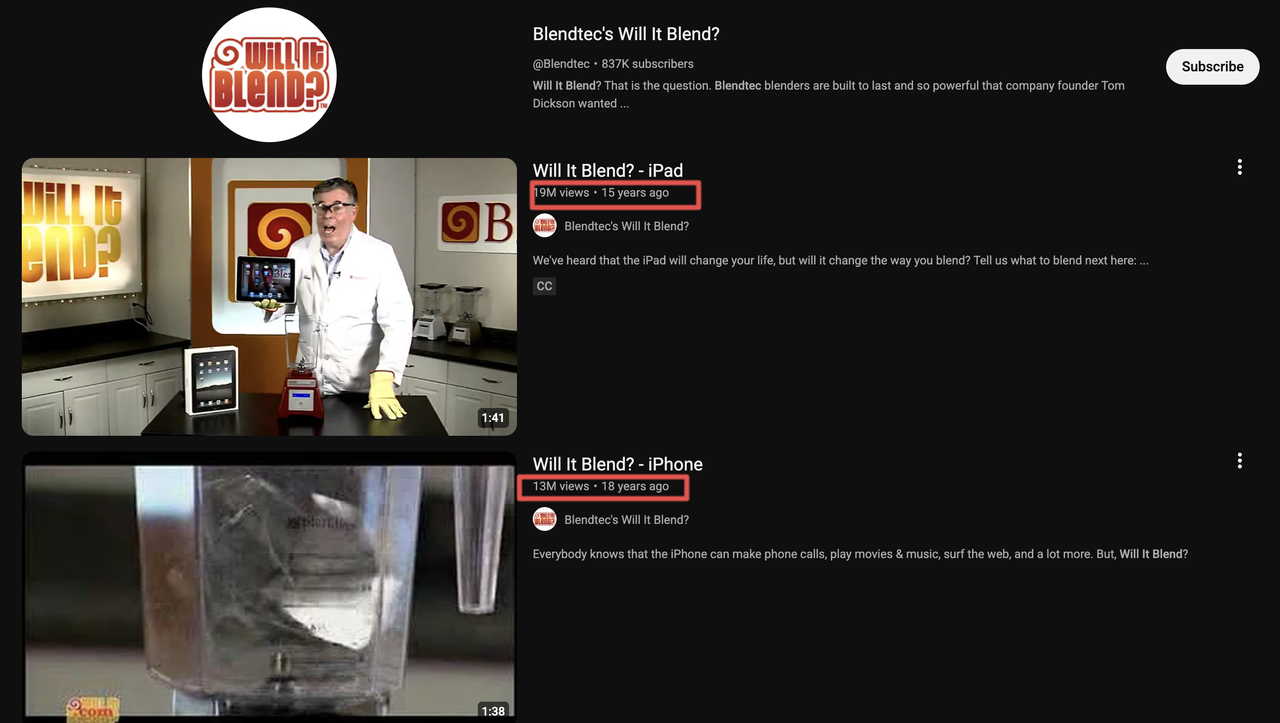
A guy in a lab coat puts an iPhone into a industrial blender. Hits the button. Watches it explode into metallic dust.
<iframe width="560" height="315" src="https://www.youtube.com/embed/qg1ckCkm8YI" title="YouTube video player" frameborder="0" allow="accelerometer; autoplay; clipboard-write; encrypted-media; gyroscope; picture-in-picture" allowfullscreen> </iframe>That's Blendtec's "Will It Blend?" series.
Launched in the early 2000s, the series became a phenomenon. The YouTube channel now has 837,000+ subscribers. More importantly? Blendtec saw a 700% increase in sales within three years.
The genius is that Blendtec never explicitly said, "Our blenders are so powerful, they'll destroy anything." Instead, they showed you. Glowsticks, marbles, credit cards, golf balls—all pulverized in seconds.
It's entertaining. People didn't watch because they wanted a blender. They watched because they were curious. Will it blend? (Spoiler: yes.)
The entertainment value gave the product demo legitimacy. It became water-cooler conversation. People shared the videos not because they wanted to buy a blender, but because they wanted to see what crazy thing would get blended next.
Product capability + entertainment value = content that spreads without aggressive promotion.
Duolingo on TikTok: Humor as a Learning Tool
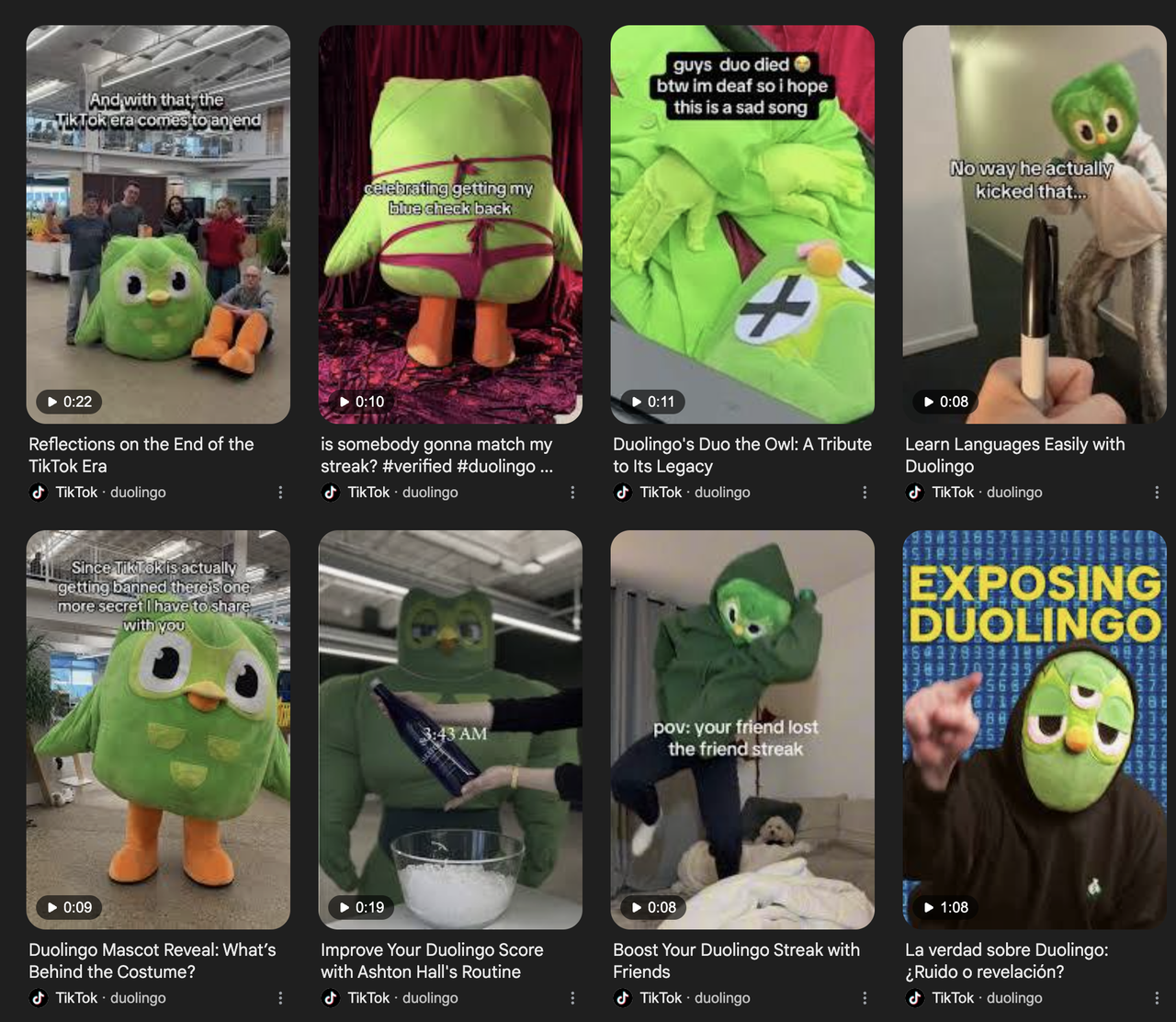
Duolingo's TikTok strategy is beautifully straightforward: take your mascot, a deranged green owl, and put him in increasingly unhinged situations.
The owl guilt-trips you for missing lessons. He impersonates celebrities. He shows up in context that has absolutely nothing to do with language learning.
And it works. Duolingo reported 59% growth in daily active users and 41% revenue growth in Q2 2024. That's not coincidence.
Here's why: Duolingo understood that TikTok users don't come for educational content. They come for entertainment. So Duolingo made educational content entertaining.
The green owl became memeable. Shareable. Relatable for a generation that learned Spanish (or French, or Italian, or Mandarin) by watching an animated bird roast them on social media.
Adobe's Sundance Series: Building Community Through Partnerships
While Blendtec went viral with chaos and Duolingo went viral with humor, Adobe chose a different approach: authentic storytelling.
Adobe partnered with the 2024 Sundance Film Festival to create a series of short video interviews with filmmakers, actors, and creative professionals. These weren't polished commercials for Adobe's software. They were genuine conversations about the creative process.
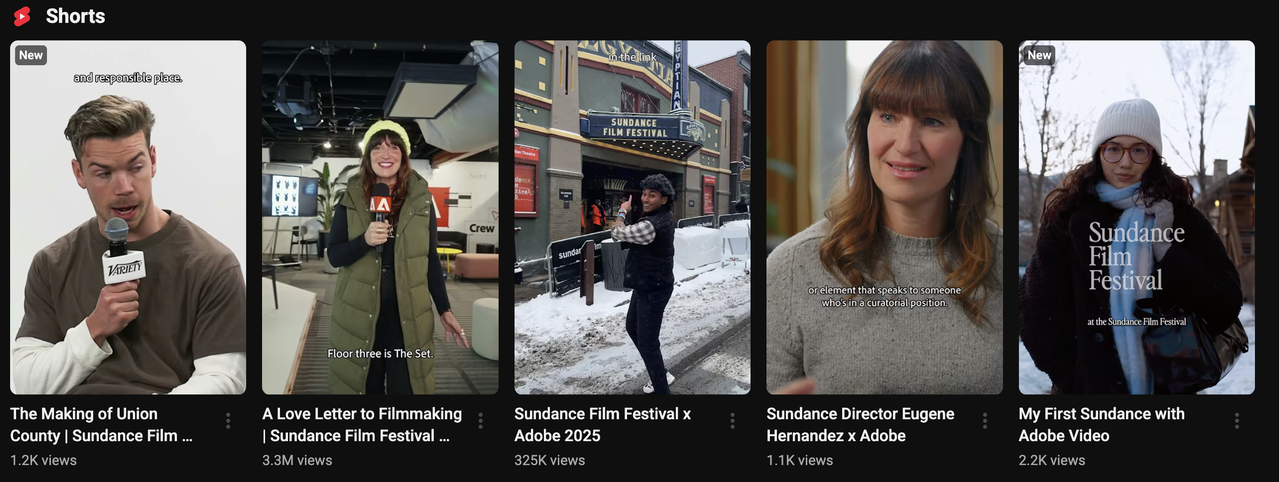
The videos gained thousands of views. But more importantly, Adobe positioned itself as a supporter of creatives, not just a vendor trying to sell them software.
This strategy works because it taps into community. Adobe isn't shouting, "Buy Premiere Pro." Adobe is saying, "We believe in creators, and here's proof."
User-Generated & Community-Driven Content
Apple's #ShotOniPhone: Turning Customers Into Brand Ambassadors
Apple's #ShotOniPhone campaign is genius in its simplicity: if you took a great photo with your iPhone, share it. Use the hashtag. Maybe we'll feature you.
The result? A global community of photographers doing Apple's marketing for them.
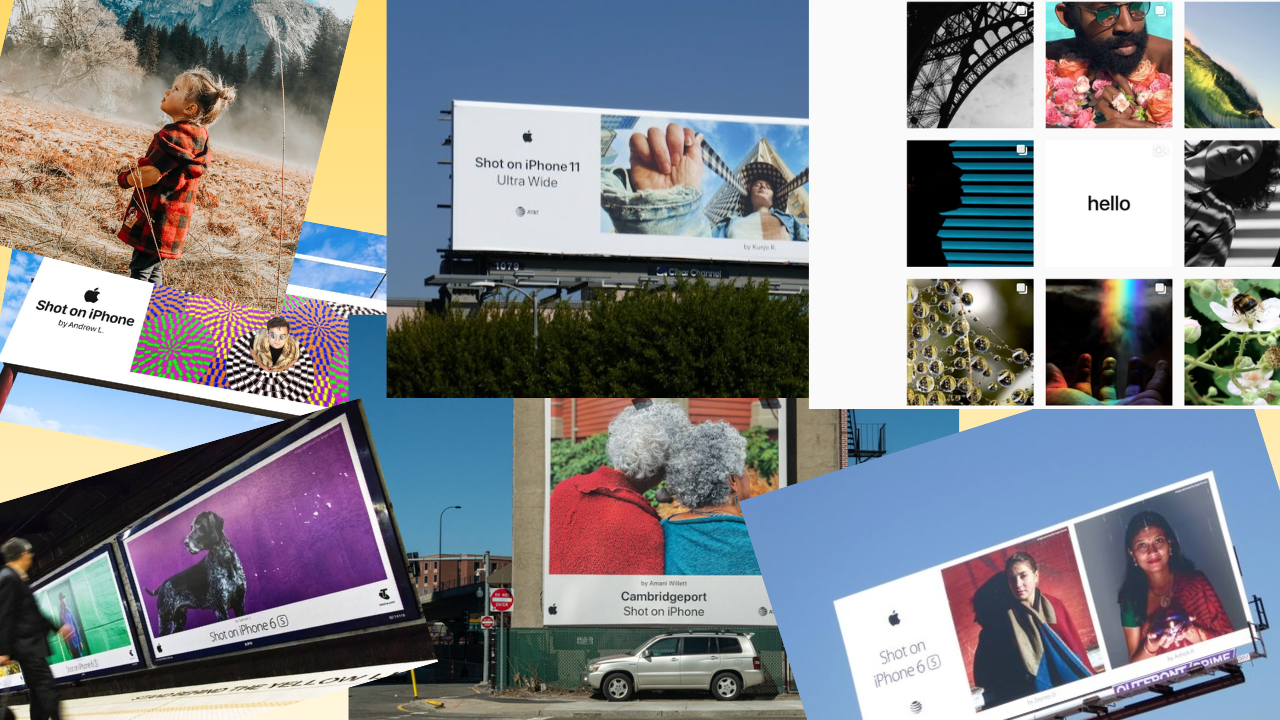
The campaign went far beyond social media. Apple featured user photos in print ads. Lady Gaga's "Stupid Love" music video? Shot on iPhone. Official Apple videos? Often shot on iPhone by users, not professional crews.
Apple understood that showing what the iPhone camera can do in real hands is more powerful than any commercial could be. When a regular person takes a stunning landscape photo or captures a candid family moment, that proof is authentic.
The #ShotOniPhone hashtag created a movement. Apple didn't just have a product. It had a community of evangelists.
GoPro's Hashtag Campaigns: The Art of Outsourcing Content Creation
GoPro went all-in on hashtags as a content strategy. #GoProAthlete. #GoProTravel. #GoProPets. Most recently, #GoProMillionDollarChallenge.
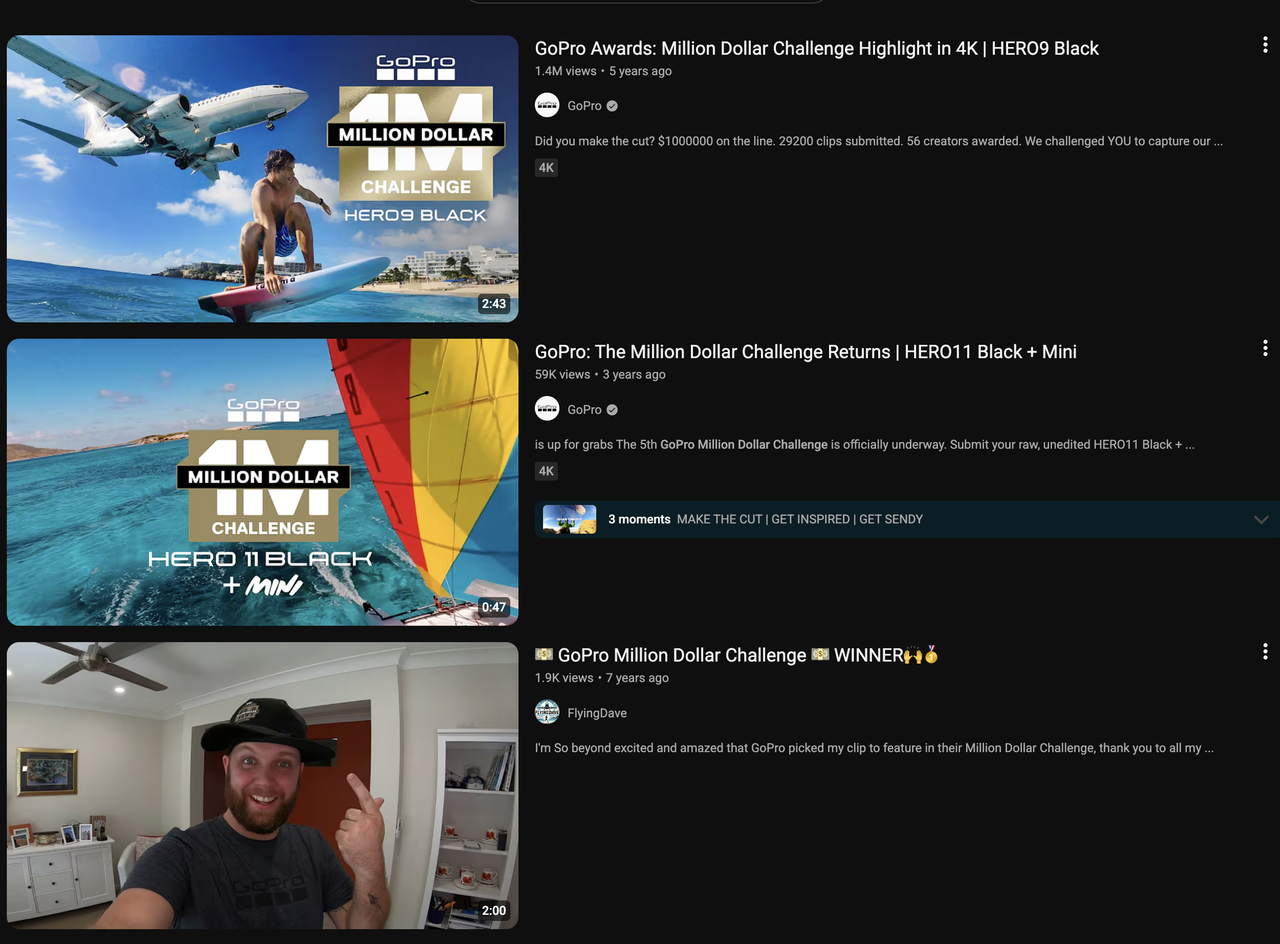
The million-dollar challenge invited users to capture their best shots with GoPro cameras for a chance to win part of a million-dollar prize. The campaign received millions of submissions worldwide.
Why does this work? Because GoPro does something most brands won't: they let their customers be the heroes. GoPro doesn't need expensive filmmakers. It has thousands of enthusiasts with action cameras, generating content every single day.
The beauty is in the authenticity. These aren't paid actors. They're real people having real adventures. That's the kind of proof that converts browsers into buyers.
Coca-Cola's "Share a Coke" (Again, But as UGC): Social Proof at Scale
We mentioned Share a Coke earlier, but here's why it matters as user-generated content: Coca-Cola empowered customers to create the content.
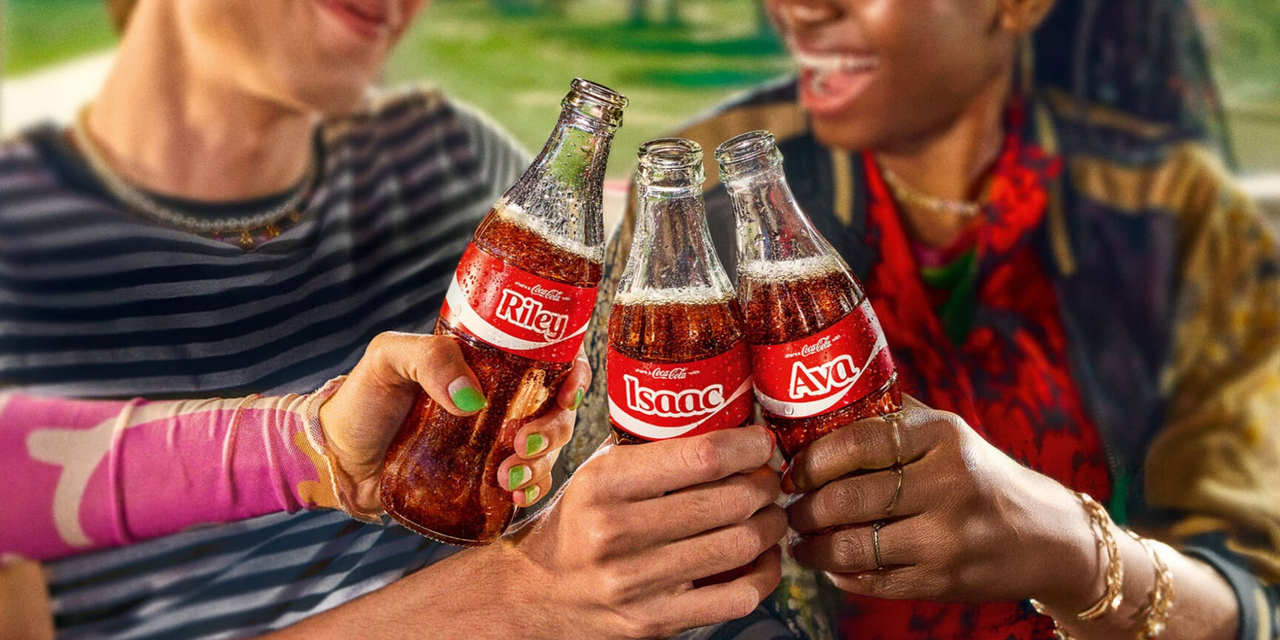
People weren't passively consuming an ad. They were buying bottles with their friends' names and creating moments. They were taking photos. They were sharing stories.
Coca-Cola's most effective marketing wasn't created in an agency. It was created in coffee shops and at parties where someone said, "Hey, I found the Coke with your name on it."
B2B Content Marketing Excellence
HubSpot's Blog & Certification Program: Education as a Moat
HubSpot built one of the most visited blogs in digital marketing by doing something radical: they made genuinely useful content.
Their blog covers everything. The history of marketing. How to go viral. Email best practices. Quarterly reports on industry trends. All free.
But here's the genius: the blog isn't a service. It's a gateway. Read the blog, and you'll naturally graduate to HubSpot Academy. Take the courses, and you'll become "HubSpot Certified." Become certified, and suddenly HubSpot feels like your partner, not a vendor.
HubSpot has hundreds of millions of page views annually, thousands of backlinks, and an enormous library of searchable content. Why? Because they committed to education as their primary value proposition.
The blog post you find on Google isn't trying to sell you HubSpot. It's solving your problem. Once you're hooked on the quality, the CRM software is a natural next step.
Slack's Thought Leadership Content: Positioning as More Than a Tool
Slack publishes research reports like "The State of Work," which surveys employees about workplace challenges, productivity trends, and how they're adapting to hybrid work.
These reports aren't about Slack features. They're about understanding work itself.
By positioning itself as a researcher and thought leader, Slack becomes something bigger than "a chat tool." Slack becomes a trusted advisor. Companies cite Slack's research. News outlets cover Slack's findings. Suddenly, Slack isn't just a platform—it's an authority.
This content strategy costs money upfront but builds credibility that no paid ad can buy.
Mailchimp's Educational Content: B2B for SMBs
Mailchimp creates educational content for small business owners—guides, blog posts, videos—about email marketing, customer engagement, and growing your business.
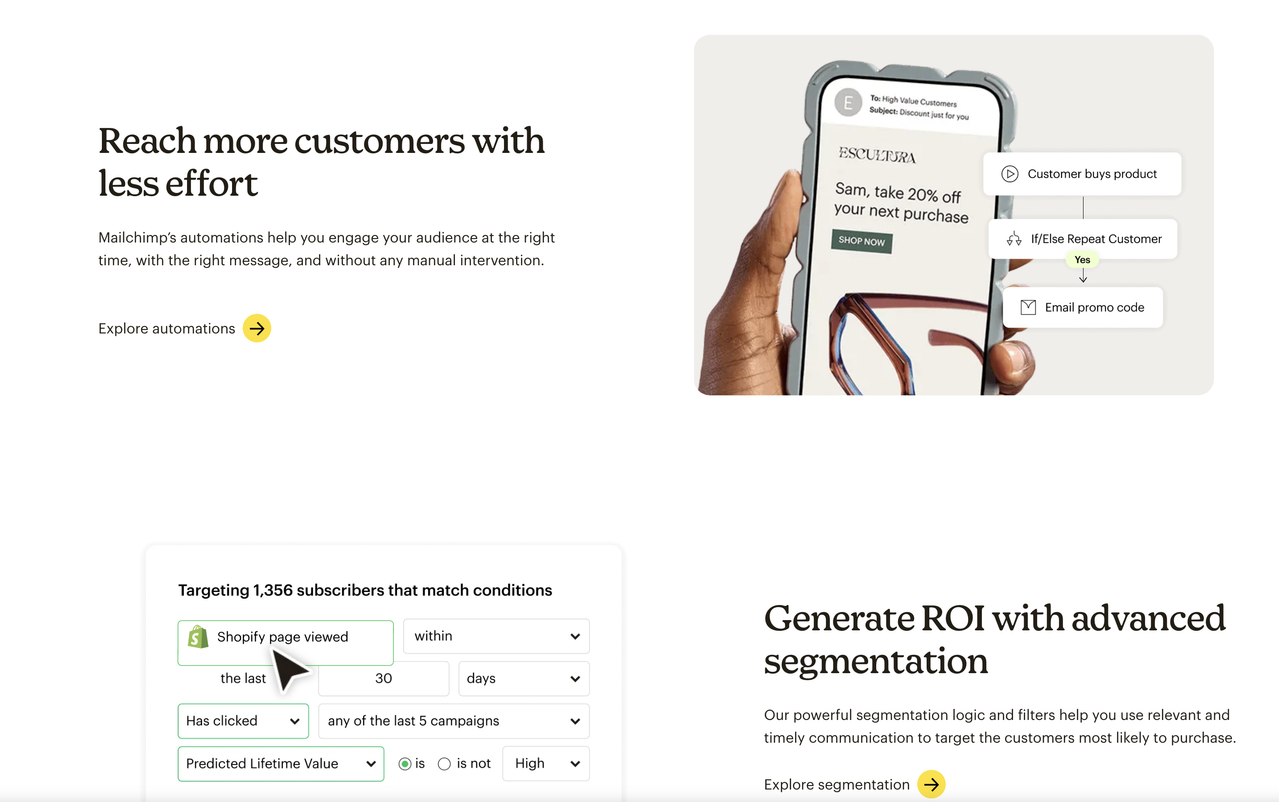
The strategy says: "We're not just a platform. We're your small business consultant."
Educational & Long-Form Content
Procreate's Beginners Series: Teaching as Product Marketing
Procreate sells an iPad app for $13. One-time purchase. No recurring revenue.
How do they justify making content? By making it so good that people can't help but become invested in the Procreate ecosystem.
Their four-part Beginners Series on YouTube has over 5 million views across all episodes.
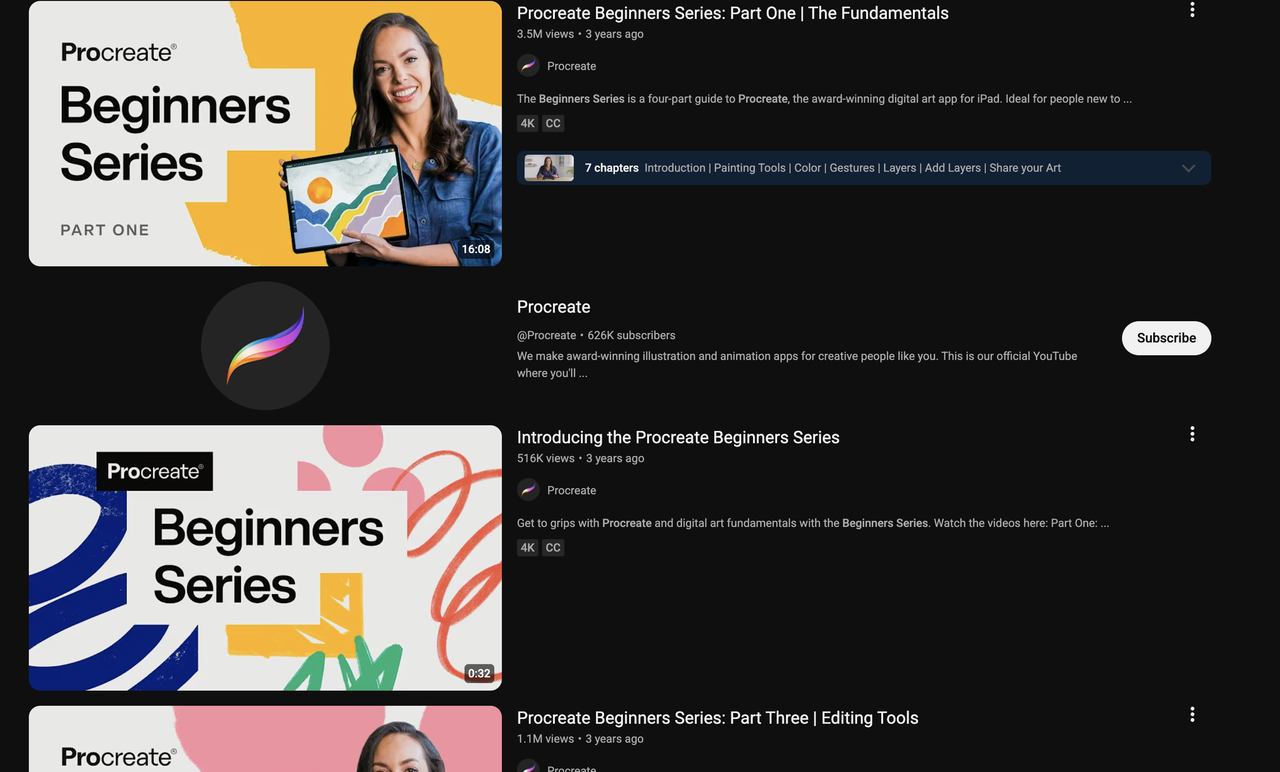
The videos teach basic painting, editing, and drawing techniques. They're not required to buy Procreate, they're just incredibly useful for anyone interested in digital art.
Those tutorials naturally lead viewers to Procreate Courses, where users can deepen their skills with paid classes. The free content serves as the on-ramp to paid education.
Procreate understood something crucial: give away knowledge, and people will reward you with their trust (and their wallet).
HubSpot's Certification Program (Extended): Education as Loyalty Device
HubSpot Academy offers free certifications in inbound marketing, content marketing, social media, and dozens of other topics. Thousands of professionals complete these certifications every month.
By certifying people in HubSpot's methodology, HubSpot creates alumni. These alumni feel invested in HubSpot's approach. They're more likely to recommend it. They're more likely to choose HubSpot when their company needs marketing software.
The certification creates a shared language. It's not "HubSpot users." It's "HubSpot Certified" professionals, which sounds way more prestigious.
Interactive & Data-Driven Examples
Slite's Time-Saving Calculator: Making Value Tangible
Slite is a knowledge base platform, and they created a simple interactive tool: a calculator that shows how much time (and money) teams waste without a centralized knowledge base.
Slide the bar to indicate your team size and average salary. The calculator spits out how many hours and dollars your company wastes on duplicate work, miscommunication, and lost institutional knowledge.
Then—and this is the fun part, it suggests what you could do with that reclaimed time. Make pancakes. Meditate. Spend time with family.
By making the value concrete and personal, Slite transforms an abstract benefit into something your CEO can actually see.
Figma's Cost Comparison Calculator: Transparency as a Sales Tool
Figma created a calculator that compares Figma's pricing to competitors. You input your team size and contract length, and Figma shows you exactly what you'd pay with Figma versus Adobe, Sketch, and other design tools.
This is bold. Most companies hide pricing to avoid direct comparison. Figma says: "Look at what we cost. Compare it yourself. Then decide."
This strategy works because it signals confidence. Figma isn't afraid of comparison because they know the value proposition holds up.
Anecdote Candles' AI Candle Generator: Content as Customization Tool
Anecdote Candles uses AI to let customers design custom candles based on their favorite memories.
You describe a moment ("hiking in the mountains at sunset," "coffee with my grandmother," "that perfect beach day"). The AI generates a unique candle name and scent description. You shuffle options until you find one you love, then order.
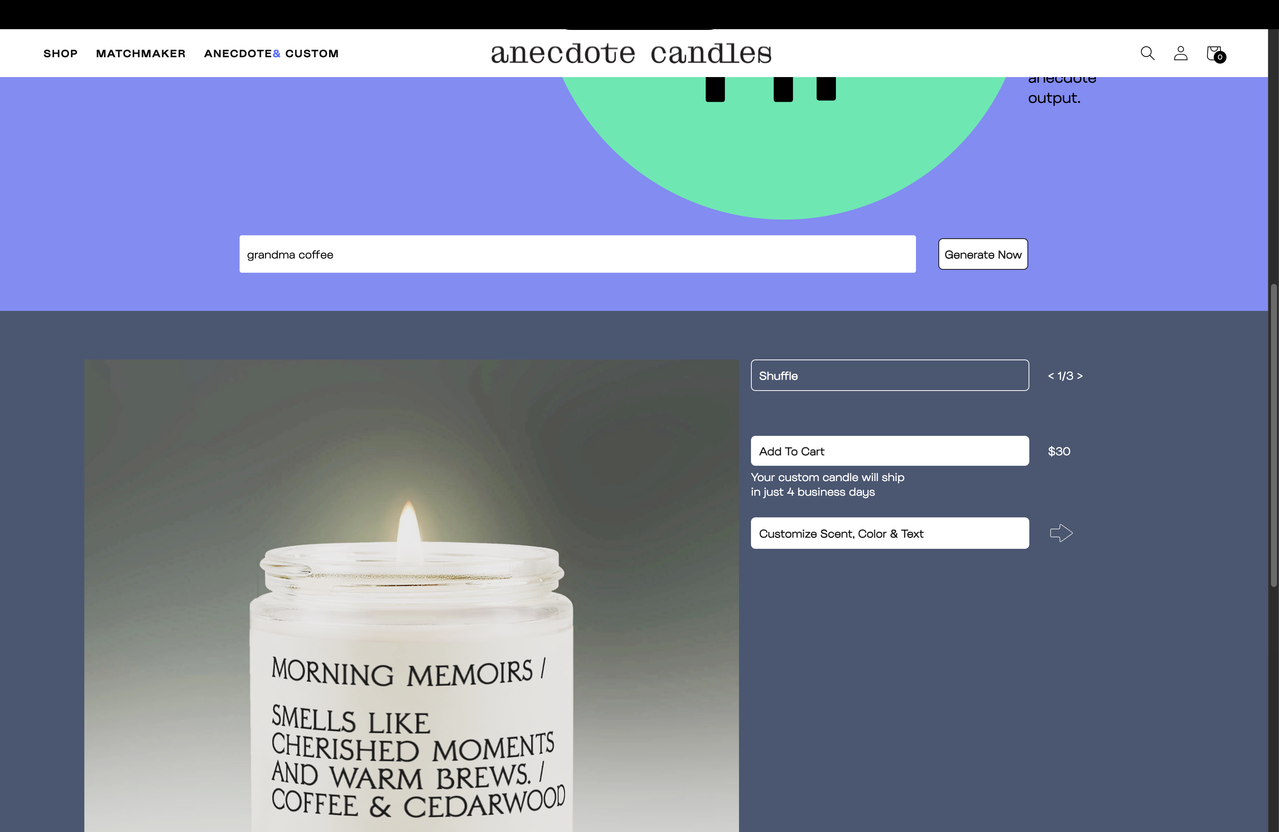
This isn't just interactive content, it's using content creation as part of the buying experience. The customer becomes a co-creator, which makes them far more likely to complete the purchase and tell their friends about it.
Social Media Content That Actually Converts
Dollar Shave Club's Instagram: Consistency and Personality
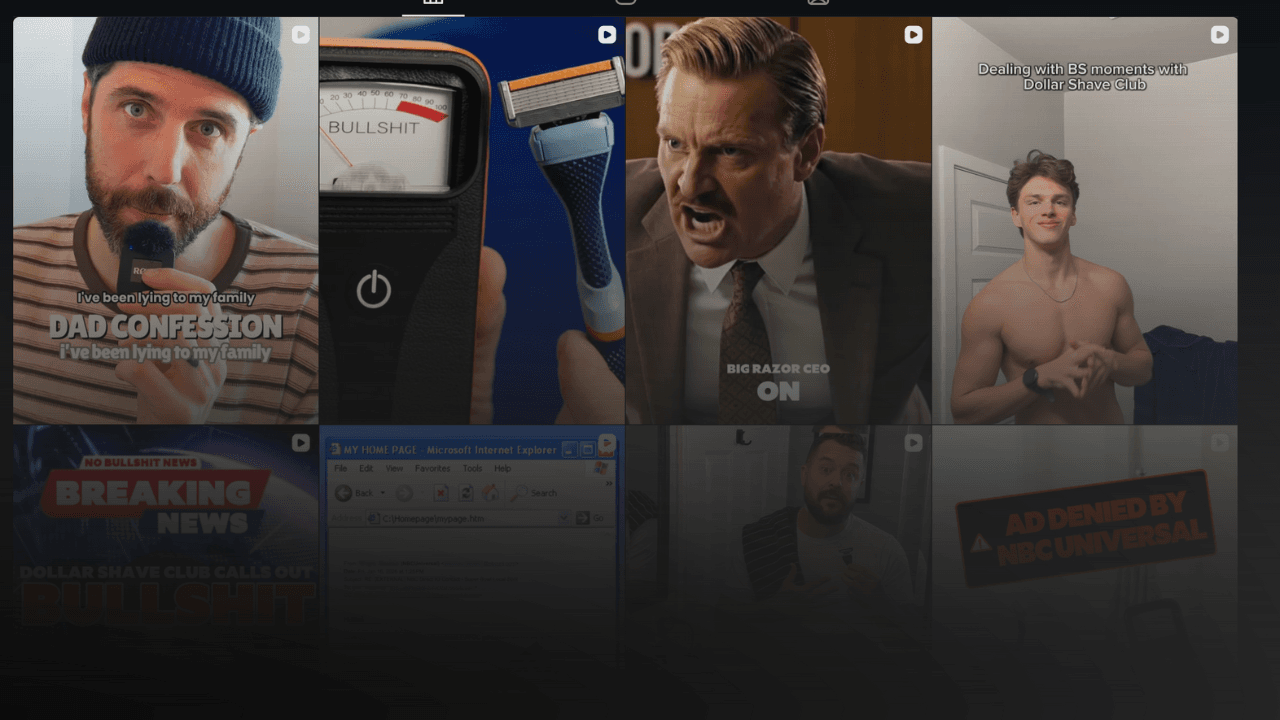
Dollar Shave Club went viral over a decade ago with a cheeky video ad. But the reason they've stayed relevant? Their Instagram strategy.
They post daily. Sometimes it's funny. Sometimes it's educational (skincare tips). Sometimes it's just memes. The content isn't rigidly on-brand; it's authentically on-brand, which is different.
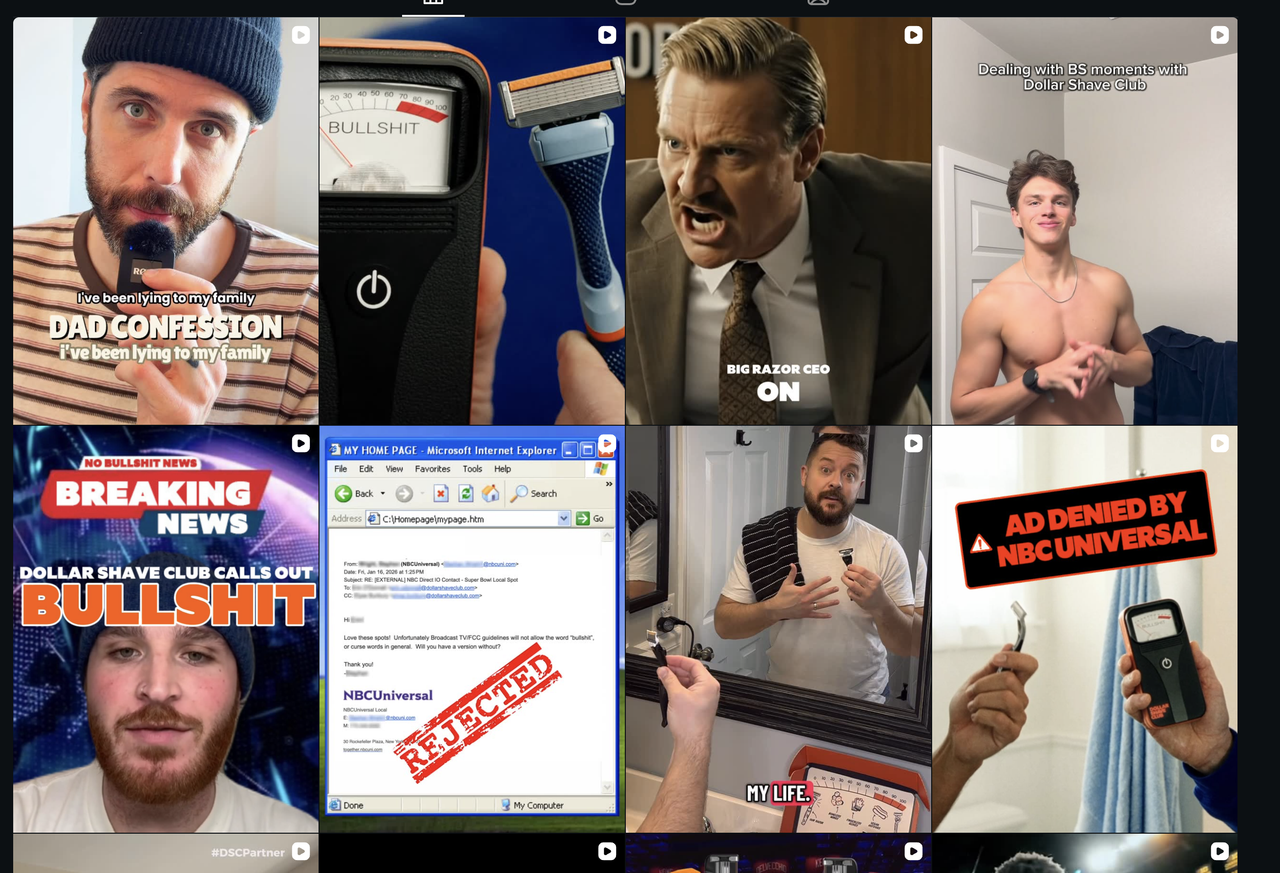
Dollar Shave Club treats Instagram like they're talking to friends, not customers. That distinction makes all the difference.
Dove's #DetoxYourFeed Campaign: Values-Driven Content
In 2022, Dove launched #DetoxYourFeed to combat toxic beauty standards on social media. The campaign encouraged users to cleanse their feeds of harmful influencers and unrealistic beauty content.
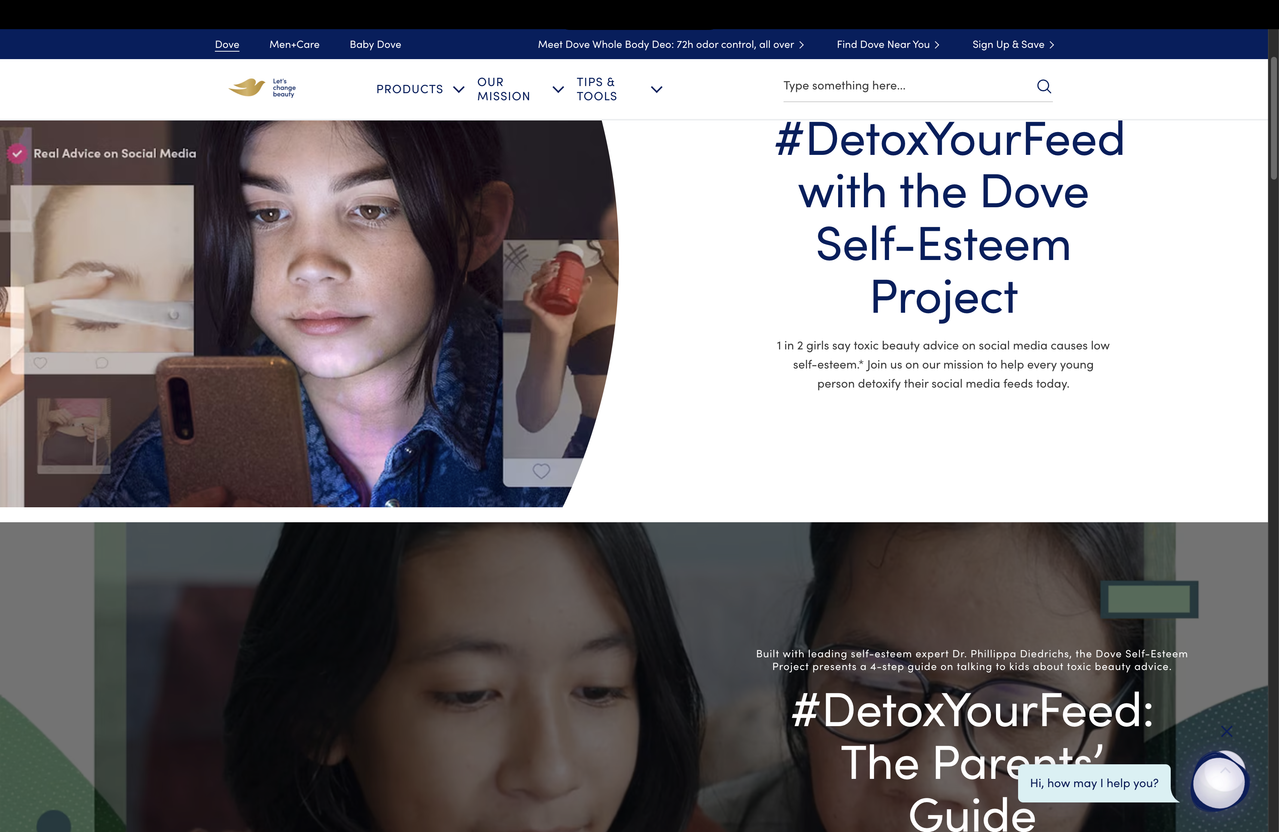
Instead of selling products, Dove sold values. And it worked.
By positioning itself as an advocate for body positivity and self-acceptance, Dove became more than a brand. It became a movement.
Headspace's Instagram: Design-First Wellness Content
Headspace's Instagram is a masterclass in visual communication. Vibrant illustrations. Short meditation videos. Breathing exercises. Each post is designed to be both beautiful and useful.
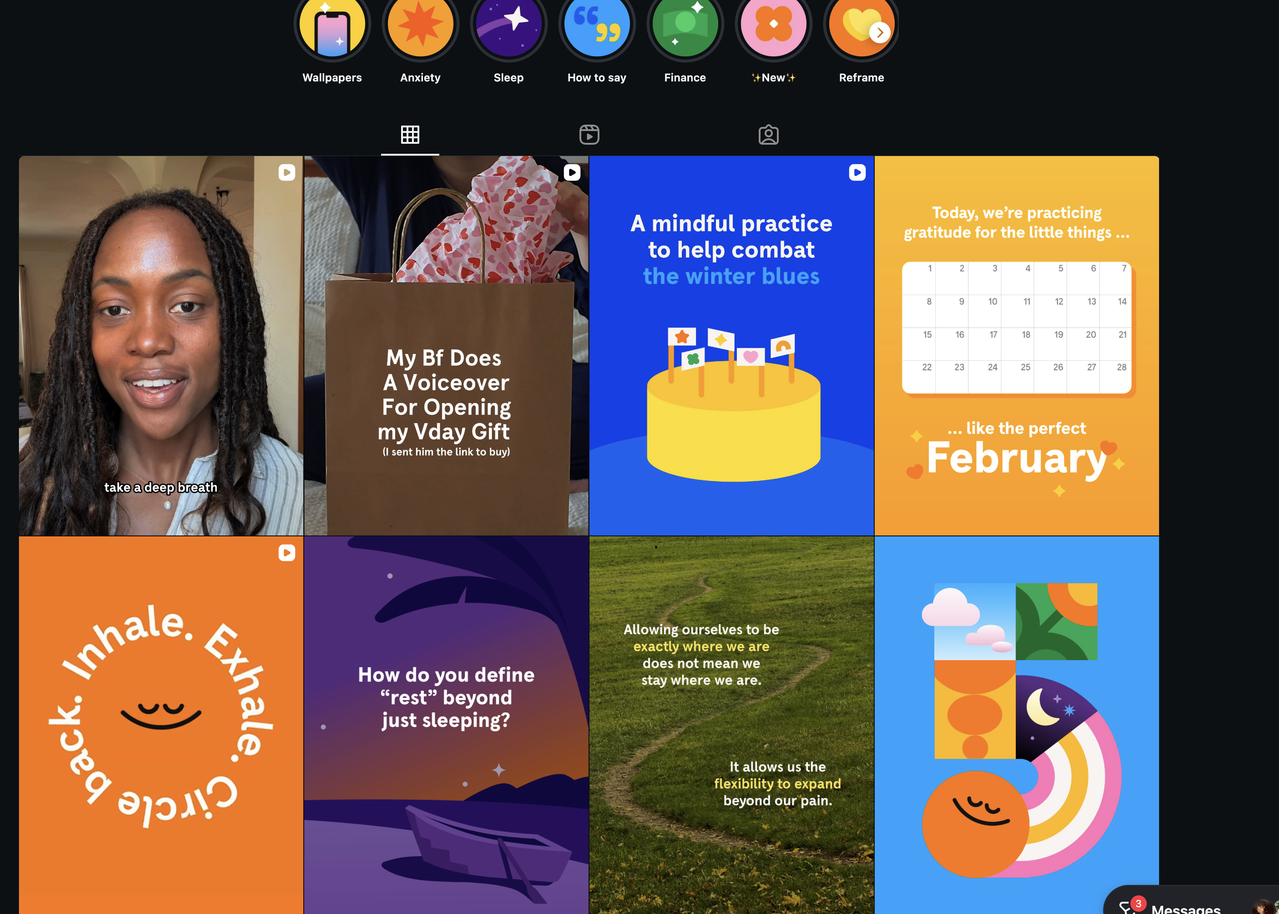
Headspace isn't selling a meditation app on Instagram. It's sharing free meditation tips and visual inspiration. The conversion happens naturally because the audience is already experiencing the value.
Email & Newsletter Examples
Coda's "The Docket": Adding Value to Inboxes
Coda sends a monthly newsletter called "The Docket" with the five most popular documents created by Coda users, curated reading recommendations, and relevant templates.
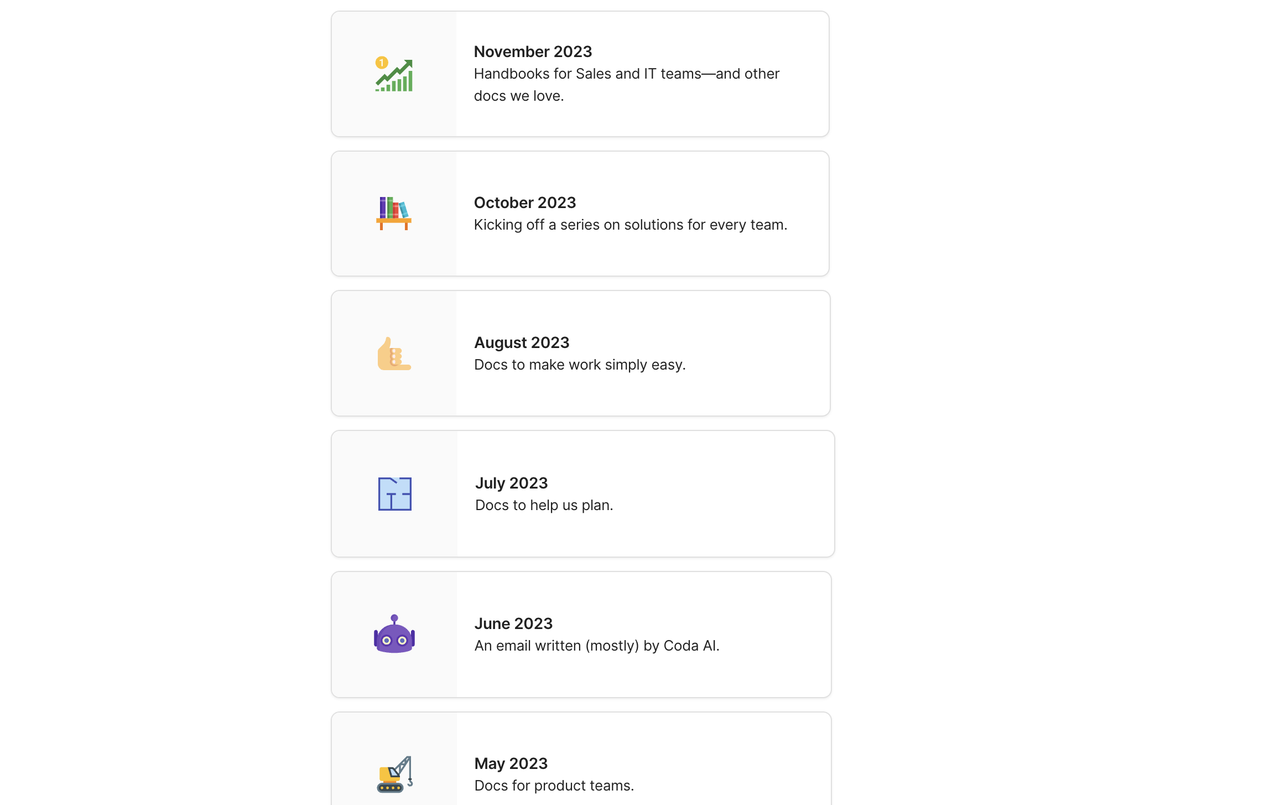
Instead of sending promotional emails, Coda sends useful emails. The newsletter has become valuable enough that subscribers look forward to it.
This approach converts subscribers into advocates because they're getting genuine value.
Calm App's 2024 Election Ad Breaks: Seizing the Moment
During the 2024 election coverage, Calm bought ad breaks on CNN and ABC. Each ad was 30 seconds of pure silence and rain sounds.
the ad:
<iframe width="560" height="315" src="https://www.youtube.com/embed/I4F8iGSCUyY" title="YouTube video player" frameborder="0" allow="accelerometer; autoplay; clipboard-write; encrypted-media; gyroscope; picture-in-picture" allowfullscreen> </iframe>Amid all the election chaos, Calm offered viewers 30 seconds of peace. The ad didn't sell. It calmed. And in doing so, it made the brand unforgettable.
Dohful's Sunday Letters: Personality-Driven Email
Dohful founder Arushi Sachdeva sends a weekly email called "The Sunday Letter" where she shares personal stories, company updates, and even mistakes.
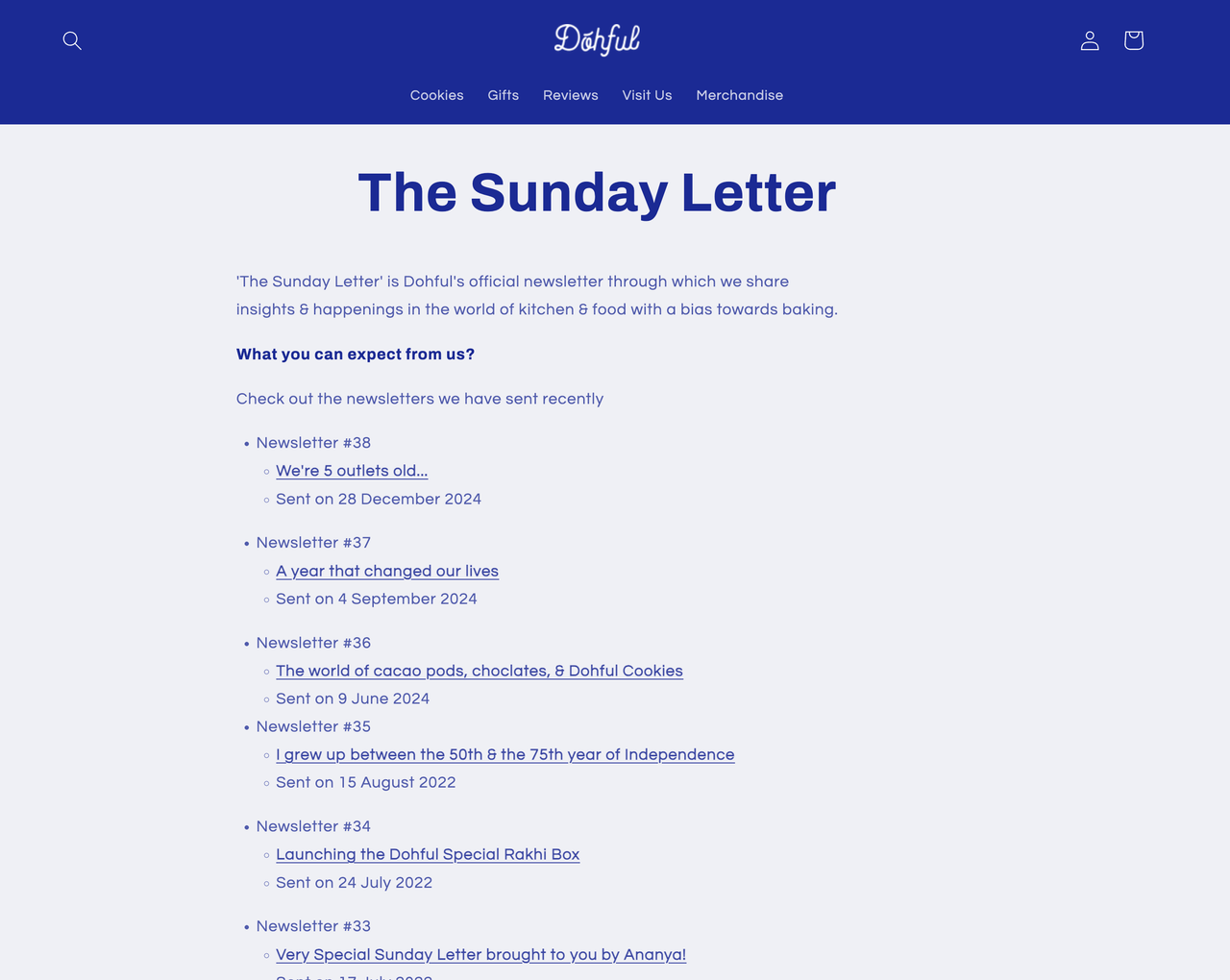
In one edition, she wrote about a new cookie flavor that flopped—and how they pulled it from the market.
Email as a connection tool, not a sales channel. It works because it's honest.
Key Takeaways: Why These Examples Work
If you've made it this far, you've probably noticed some patterns.
First: Consistency. Spotify didn't make Wrapped once. It's annual. Procreate didn't make one tutorial—they made a whole series. Duolingo doesn't post once a week; they post multiple times daily.
Consistency signals commitment. It builds habit. It makes your audience expect to hear from you.
Second: Authenticity. The most successful examples share something real. Apple showed real people's photos. GoPro let real adventurers do the marketing. Blendtec didn't pretend blenders are life-changing, they just showed you what they could do.
The moment your content feels like a sales pitch, you've lost.
Third: Value before conversion. Almost every example here gives before they take. HubSpot writes free blog posts. Procreate makes free tutorials. Calm offers free (albeit brief) relaxation content.
Your audience will convert once they've experienced the value. Trying to convert without proving value is just noise.
Fourth: Platform-specific thinking. Duolingo on TikTok is different from Duolingo's blog, which is different from Duolingo's email. Successful brands understand that TikTok users want entertainment, blog readers want education, and email subscribers want a personal connection.
One-size-fits-all content rarely works. Context matters.
Fifth: Sharability. Notice how many of these examples were designed to be shared? Spotify Wrapped isn't just consumable—it's Instagram-story-able. Share a Coke isn't just a product—it's a gift with your friend's name on it. Will It Blend videos aren't just product demos—they're "did you see this?" moments.
Build sharing into your content from day one.
Your Turn
Content marketing isn't about having a blog or posting on social media. It's about understanding that your audience wants something from you—entertainment, education, connection, or value—before they want your product.
The brands above didn't become content marketing leaders by accident. They committed to understanding their audience. They experimented. They doubled down on what worked.
Your brand has the same opportunity. You don't need a massive budget or a celebrity endorsement. You need one clear idea, executed consistently, with authentic value at its core.
Start by asking: What does my audience actually want? Not what do they want to buy, but what do they want to experience?
Answer that question better than anyone else, and the rest handles itself.
Share this playbook
Grow your business without guessing.
Weekly breakdowns of real businesses and their exact marketing strategies driving growth.
Read by 11,000+ founders & marketers.