
The Marketing Strategy That Took Glossier From a $700 Blog to $1.8B
$8M
Revenue/mo
Business Type
E-commerce
Monetization
One-time Purchase
Founded
2014
The Real Origin Story (It Didn't Start With Makeup)
Here's something most people get wrong about Glossier: it didn't actually start as a makeup company.
It started as a blog. A personal passion project. Something Emily Weiss squeezed in before dawn—literally waking up at 4 a.m., working until 8 a.m., then heading to her day job at Vogue. The year was 2010.
The blog was called Into the Gloss, and the concept was deceptively simple: interview interesting women about their beauty routines. Not celebrity beauty tips. Not "10 makeup tricks dermatologists hate." Just real conversations about what people actually used.
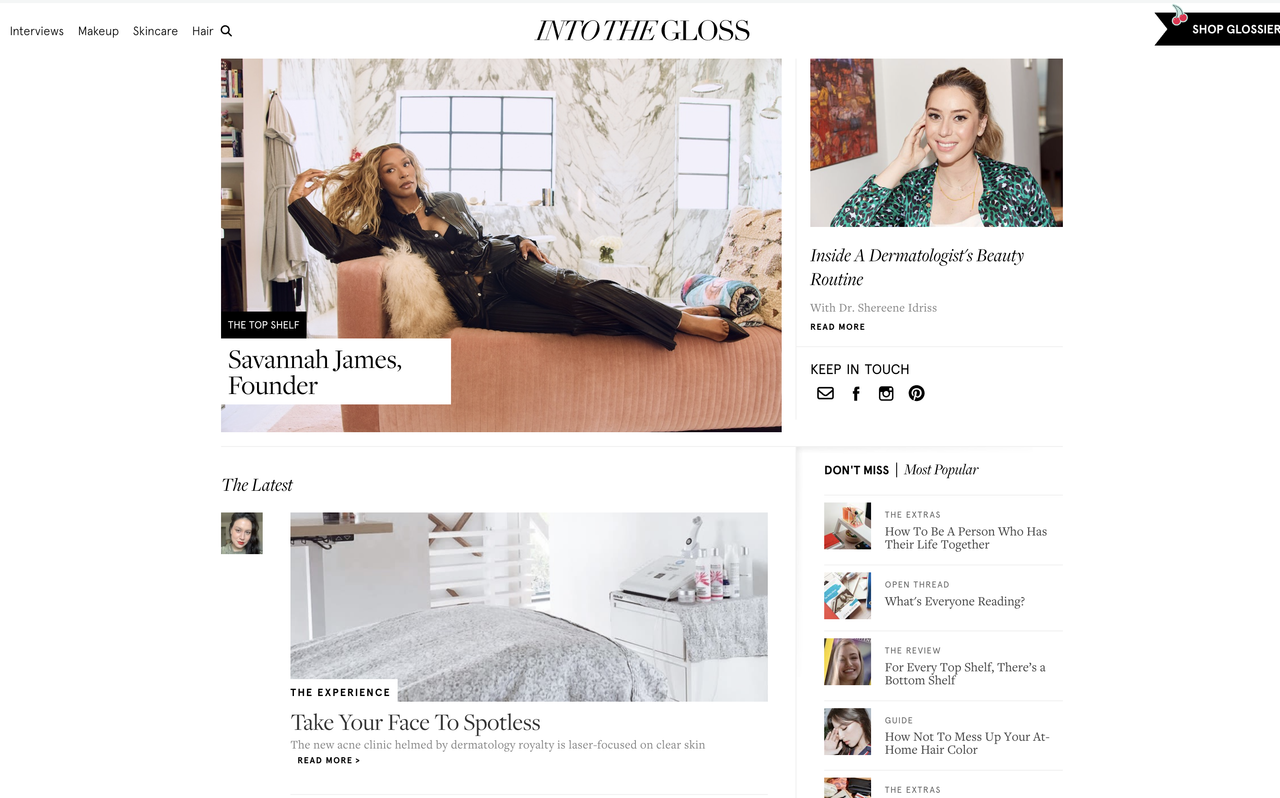
Weiss invested just $700 of her own money to get it off the ground. No funding. No investors. Just her laptop and an early-morning alarm clock. Within two years, the blog had exploded to 200,000 monthly visitors and 4.5 million pageviews. By 2016, Into the Gloss was getting 10 million page views monthly with a fiercely loyal audience. For context, that's massive for a beauty blog in an era when Instagram was just becoming a thing.
Why did it work? Because Weiss did something the beauty industry didn't do: she actually listened to women.
Why Glossier Was Inevitable
Here's the crucial part. While running Into the Gloss, Weiss watched her audience constantly ask: "Where can I buy the products these women are using?" There wasn't a good answer. The beauty brands dominating the market were legacy companies—think Estée Lauder, MAC, L'Oreal—and they felt disconnected from millennial culture.
Weiss noticed something else that would become the DNA of Glossier: she didn't even like the brands themselves. She famously ran through ten major beauty brands and asked herself, "Would I wear a sweatshirt with their logo on it?" The answer was always no. So in 2014, she decided to build one she would actually buy from.
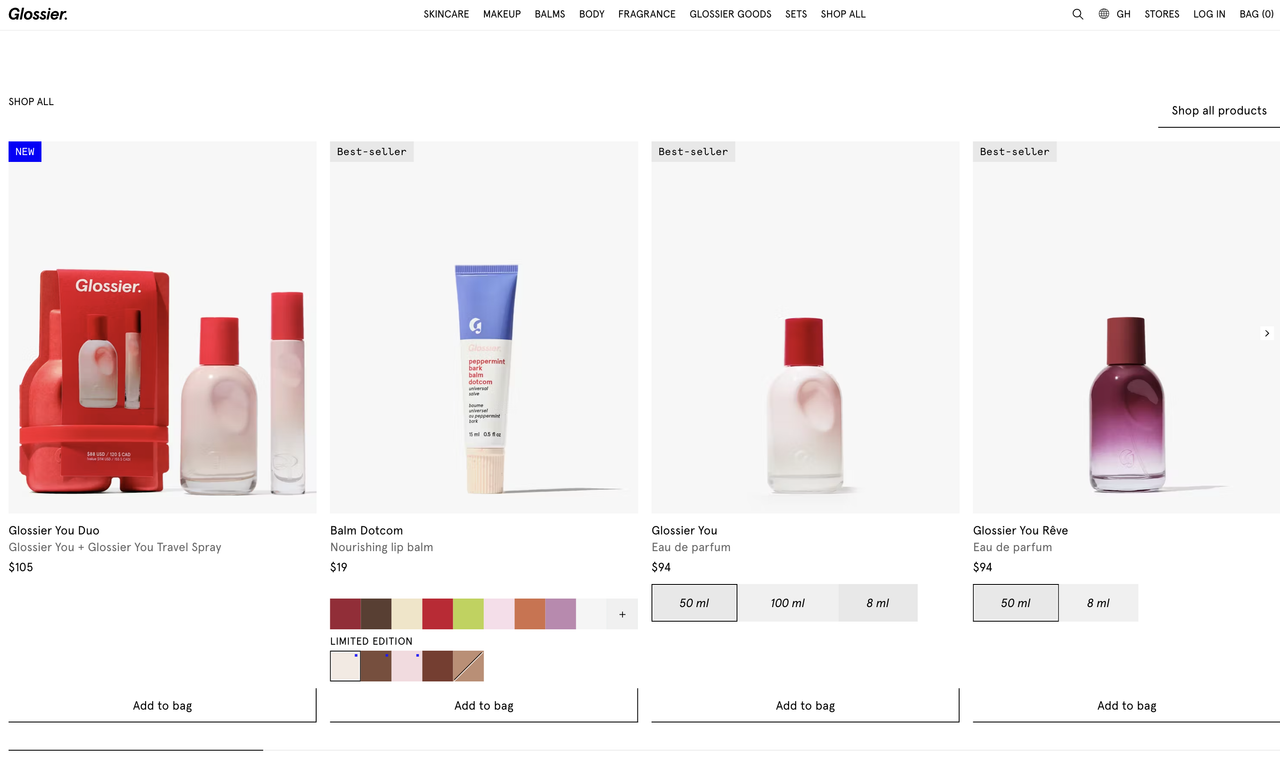
She raised $2 million in seed funding with help from Kirsten Green at Forerunner Ventures and launched Glossier with just four products: a moisturizer, a face mist, a skin tint, and a lip balm. Total price? Around $80 for the set, with individual products ranging from $12 to $26.
The pricing strategy was genius. They undercut legacy brands while maintaining quality. They didn't have to split margins with retailers because they sold directly to customers. No middlemen. No department store markup. This is what the industry calls DTC—direct-to-consumer—and Glossier became the poster child for it.
The Secret Sauce
This is where Glossier's marketing strategy gets interesting, and frankly, where most competitors missed the mark.
Instead of hiring celebrity endorsers or buying expensive TV ads, Glossier did something radical: they asked their customers what to make.
In 2015, the Into the Gloss community asked for a better face wash. They described what their "dream face wash" would be. Glossier listened and created the Milky Jelly Cleanser—now one of their best sellers. Boy Brow was another famous example: customers requested a brow product, feedback shaped the formula, and it became a cult classic.
This wasn't a marketing gimmick. This was actual product development driven by the actual people who'd eventually buy it.
The result? Customers felt ownership. They weren't just buying products; they were buying products they helped create. That psychological difference is massive. It transforms a transaction into membership.
Glossier reinforced this with their Generation Glossier affiliate program, which turned everyday customers into brand ambassadors. Instead of paying mega-influencers with massive followings, Glossier identified 500 "superfans"—micro-influencers with smaller but highly engaged audiences. These weren't paid celebrities reading scripts. They were real people authentically posting about products they genuinely loved.
The numbers speak for themselves: 70% of Glossier's online sales were driven by peer-to-peer referrals. Friends telling friends. Not ads. Not billboards. Pure word of mouth.
.png&w=3840&q=75)
Please sign in to continue reading
We do this to make sure real humans read our stuff, not bots.