Sephora Marketing Strategy Secrets: The "Try Before You Buy" Hack That Crushed Competitors
$1.4B
Revenue/mo
Business Type
E-commerce
Monetization
One-time Purchase
Founded
1969
The Founder Who Changed Everything
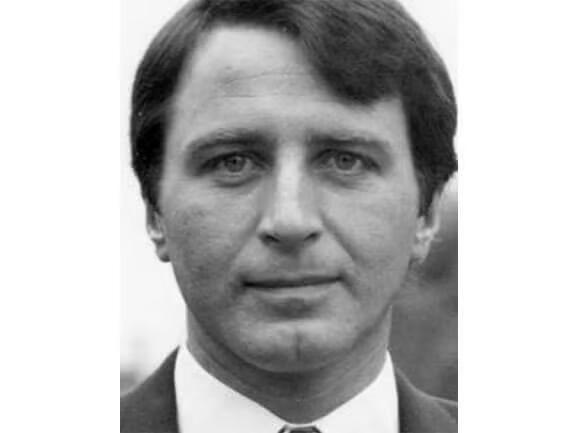
It's France, 1969. A man named Dominique Mandonnaud opens a small perfume shop in Limoges and calls it "Shop 8." This might sound boring, but here's the thing—he did something radically different that the entire beauty industry had missed.
A picture of Dominique Mandonnaud of Sephora
Back then, buying cosmetics was like being forced to buy a car without a test drive. You'd stand behind a counter while a pushy salesperson tried to sell you everything they had. There was no way to try anything on. No way to see if that foundation matched your skin. No way to know if that perfume smelled good on you specifically.
Mandonnaud looked at this system and thought: "This is ridiculous. Why can't people just... try things?"
So he created the "assisted self-service" model. Customers could walk in, pick up products, and test them on themselves before buying. Revolutionary? Not really. But the beauty industry acted like it was witchcraft. This simple idea became Sephora's entire foundation. By the late 1970s, his perfume shop had picked up steam across France. People loved it. They loved the freedom. They loved the experience. The business grew, but Mandonnaud faced a problem: he wanted to expand faster than his money could allow.
The Billionaire Spotted It
Fast forward to 1993. Mandonnaud was 50 years old and decided to sell. He couldn't have known he'd found the perfect buyer.
LVMH—the luxury giant behind brands like Louis Vuitton, Dior, and Givenchy—saw Sephora and recognized something most people missed: they owned dozens of beauty brands, but they had no direct way to sell them to customers. Department stores controlled the relationship. Middlemen took the cuts. LVMH wanted control.
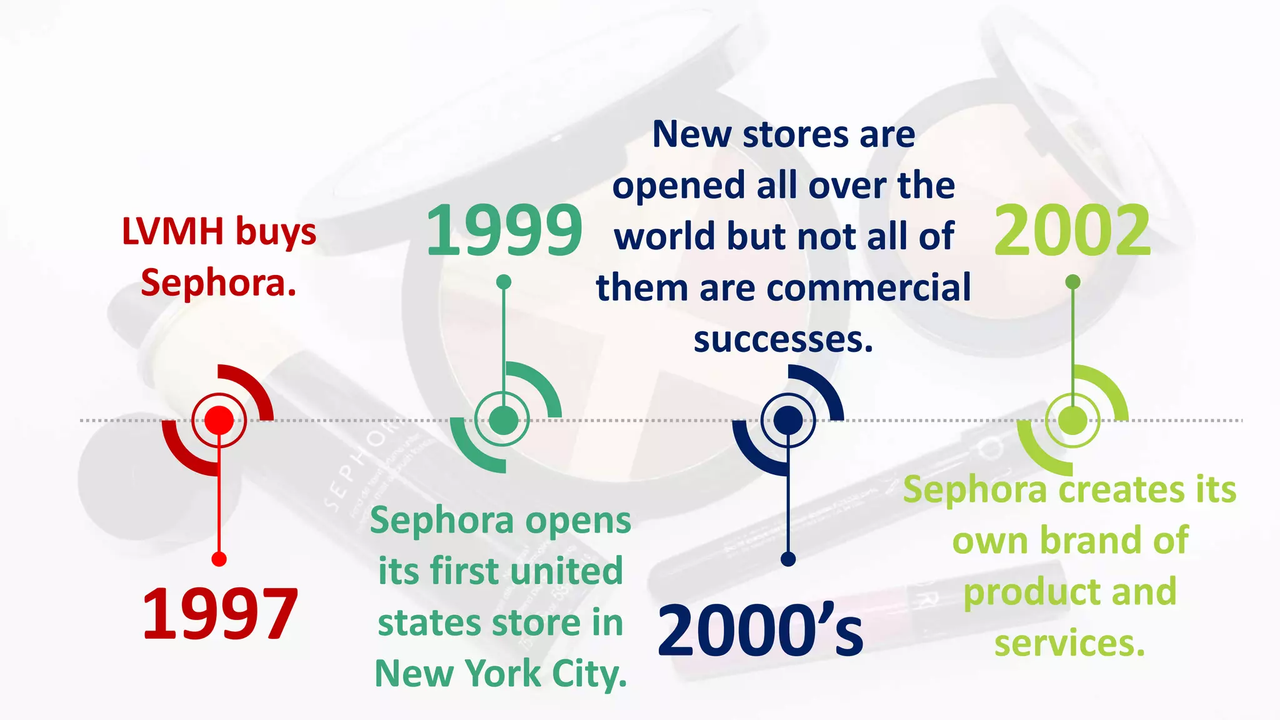
In 1997, LVMH purchased Sephora for $262 million. This was the inflection point. This wasn't just another retailer getting acquired. This was a billionaire acquiring a simple idea that would transform the entire beauty industry. With LVMH's money and expertise, things accelerated rapidly. By the end of 1997, Sephora's sales had already hit 2 billion French francs. Stores opened across Europe. The brand expanded beyond just perfume to makeup, skincare, and everything in between.
The American Invasion
But here's the thing about revolutions: they don't stay local.
In 1998, Sephora opened its first store in New York City—a 9,000-square-foot shop in SoHo on Broadway. This was the moment everything changed. The US beauty industry was completely different from France's. Two-thirds of America's $14.5 billion in cosmetics sales came through department stores or drugstores. There was no real choice. You went to Macy's or CVS. That's it. Sephora walked in and said: "Want 340 brands? Want to test everything? Want service without pressure?"
People lost their minds.
LVMH had doubted this would work. Beauty experts were skeptical. "Will people really buy without someone hovering over them?" was the question everyone asked. But LVMH bet big. Within months, they opened 15 more stores. By 2000, there were 64 Sephora locations across the US.
.png&w=3840&q=75)
Please sign in to continue reading
We do this to make sure real humans read our stuff, not bots.