
The Marketing Strategy That Took Gymshark to £607.3M

£50.6M
Revenue/mo
Business Type
E-commerce
Monetization
One-time Purchase
Founded
2012
How it started
Back in 2012, a 19-year-old kid named Ben Francis was delivering pizzas for Pizza Hut, making £5 an hour. By day, he attended university. By night, he did what most ambitious teenagers don't do—he started a business in his parents' garage in Bromsgrove, England. Today, that same kid runs a billion-dollar company with 881 employees, serves customers in 230+ countries, and is richer than most of us will ever be.
The wild part? Gymshark just hit £607.3 million in annual revenue. Yes, you heard that right. But here's the kicker, He started with 0. The story of how Ben went from nowhere to billionaire is less "lucky tech bro" and more "obsessive guy who understood his audience better than anyone else."
Let's break down how Gymshark pulled off one of the most audacious DTC (direct-to-consumer) comeups in history.
The Problem That Started Everything
Before Gymshark was a brand, it was a personal frustration.
Ben Francis was a gym rat. Like, genuinely committed—the kind of person who'd structure his entire life around lifting weights. But here's his problem: the gym clothes available in 2012 absolutely sucked. Everything was baggy, oversized, designed for bodybuilders from the 1990s. Nothing fit right. Nothing looked good.
So Ben did what any reasonable person does when they can't find something they want—he decided to make it himself.
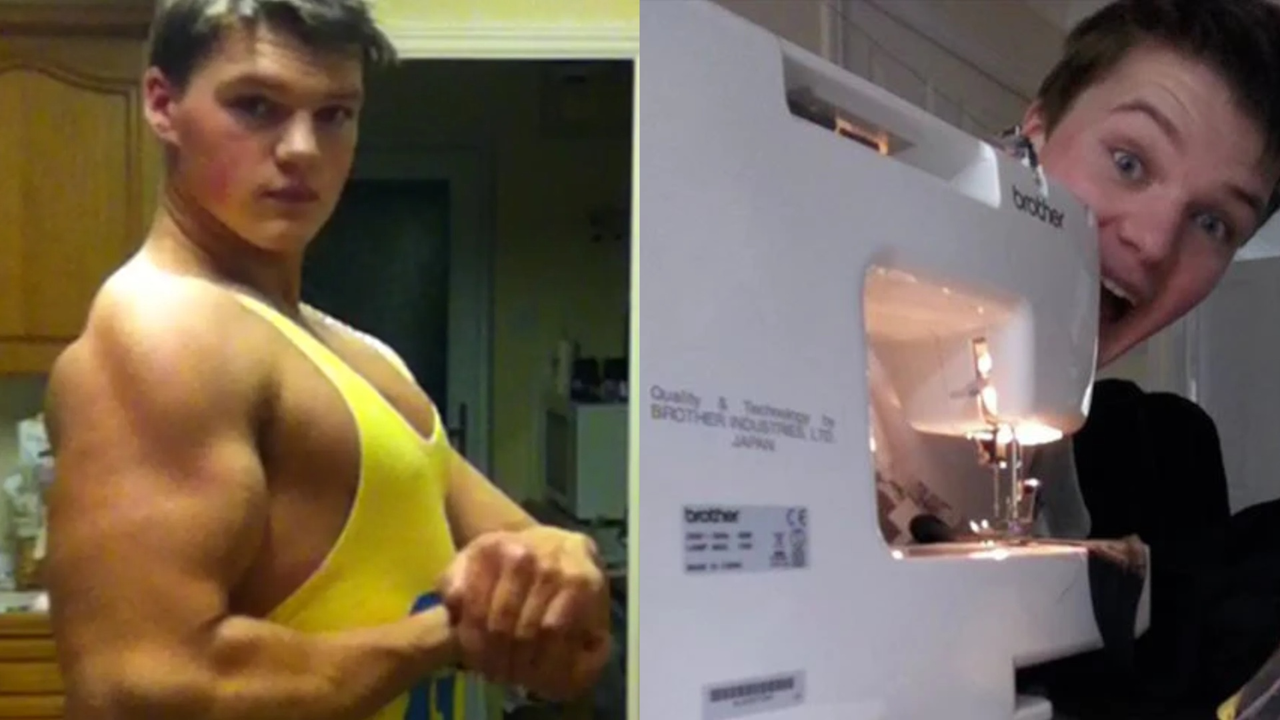
In 2012, with literally no fashion background, Ben grabbed a sewing machine and started hand-stitching gym wear in his parents' garage. His first product was a screen-printed t-shirt. He'd design it, print it, fold it, and deliver it himself on his Pizza Hut route.
In 2012, with literally no fashion background, Ben grabbed a sewing machine and started hand-stitching gym wear in his parents' garage. His first product was a screen-printed t-shirt. He'd design it, print it, fold it, and deliver it himself on his Pizza Hut route.
The initial business plan was almost laughably simple: make the product we want to wear. Fitted. Lightweight. Physique-enhancing. But here's where Ben made his first smart move: he wasn't trying to build a company for everyone. He was building a company for people like him—serious lifters who actually cared about quality gym gear. This insider perspective became his competitive advantage.
The Dropshipping Detour
Most people would've quit after three months. Ben didn't.
Because he had zero capital, he started by dropshipping fitness supplements online. This meant he didn't buy inventory—he just middlemanned orders from suppliers to customers. Margins were terrible, but it solved a crucial problem: he could test the market without risking his own money. By 2013, he pivoted completely to gym apparel (the supplement route wasn't sustainable anyway). He began manufacturing fitted gym wear with his school friend Lewis Morgan and a screen printer. Still bootstrapped. Still homemade. Then something happened that changed everything.
.png&w=3840&q=75)
Please sign in to continue reading
We do this to make sure real humans read our stuff, not bots.