
The Marketing Strategy Behind a $10K/Month Directory Site

$10K
Revenue/mo
Business Type
SaaS
Monetization
Pay-per-use
Founded
2019
From Zero to Thousands
Uneed is a fascinating startup story that shows how persistence, smart marketing, and understanding your audience can build a successful business from nothing. Thomas Sanlis, a 29-year-old French entrepreneur, created Uneed and grew it from zero dollars to over $10,000 per month in revenue. Here's how he did it.
A Simple Side Project
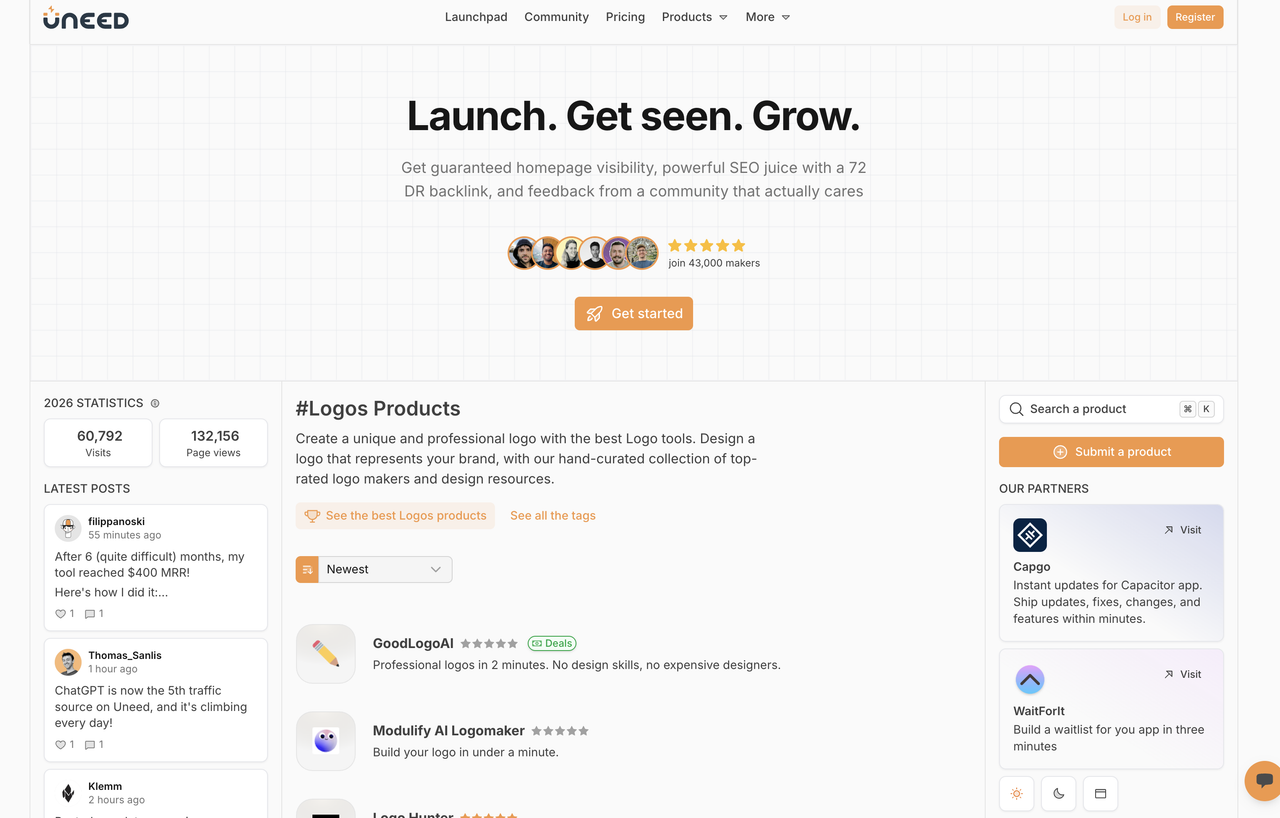
Thomas started Uneed around five years ago as a simple side project while studying web development. He wasn't trying to build a massive company at first—he just wanted to explore a new technology called Nuxt.js (a modern web framework). During his studies, he created a basic directory listing front-end developer tools. Every single day, he would add one new tool to the list. This simple habit became the foundation of his empire.
What's important to understand is that Thomas didn't have a grand business plan when he started. He was just experimenting and learning while building something useful. This approach is very different from many startup stories that describe founders having a "big vision" from day one. Sometimes, the best ideas come from simply doing what you enjoy and seeing where it leads.
The Long Wait
Here's the hard part of Thomas's story that many people skip over: for the first three years, Uneed made almost no money. He had some months where he earned around $200, but that was his best result. During these years, he had to do freelance web development work and teach computer science at a school to pay his bills. He couldn't live off Uneed yet, so he balanced multiple jobs while building his side project.
Repositioning the Platform
After three years of slow growth, Thomas made a smart decision that changed everything. He noticed that people were complaining about Product Hunt (the most famous product launch platform). Users said there were too many bots, unfair ranking systems, and it was getting harder for small builders to get noticed.
Thomas saw an opportunity. Instead of keeping Uneed as just a simple tools directory, he repositioned it as a Product Hunt alternative—a launch platform where new products could be featured and get feedback from a community. This was a big moment because he was transforming what Uneed did based on what his audience actually wanted.
.png&w=3840&q=75)
Please sign in to continue reading
We do this to make sure real humans read our stuff, not bots.